Philip Pullman's 'The Amber Spyglass' As Imperial Metaphor

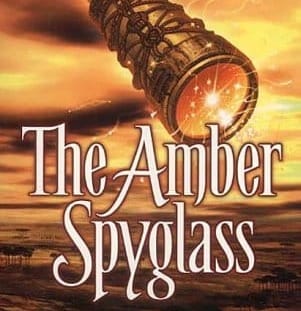
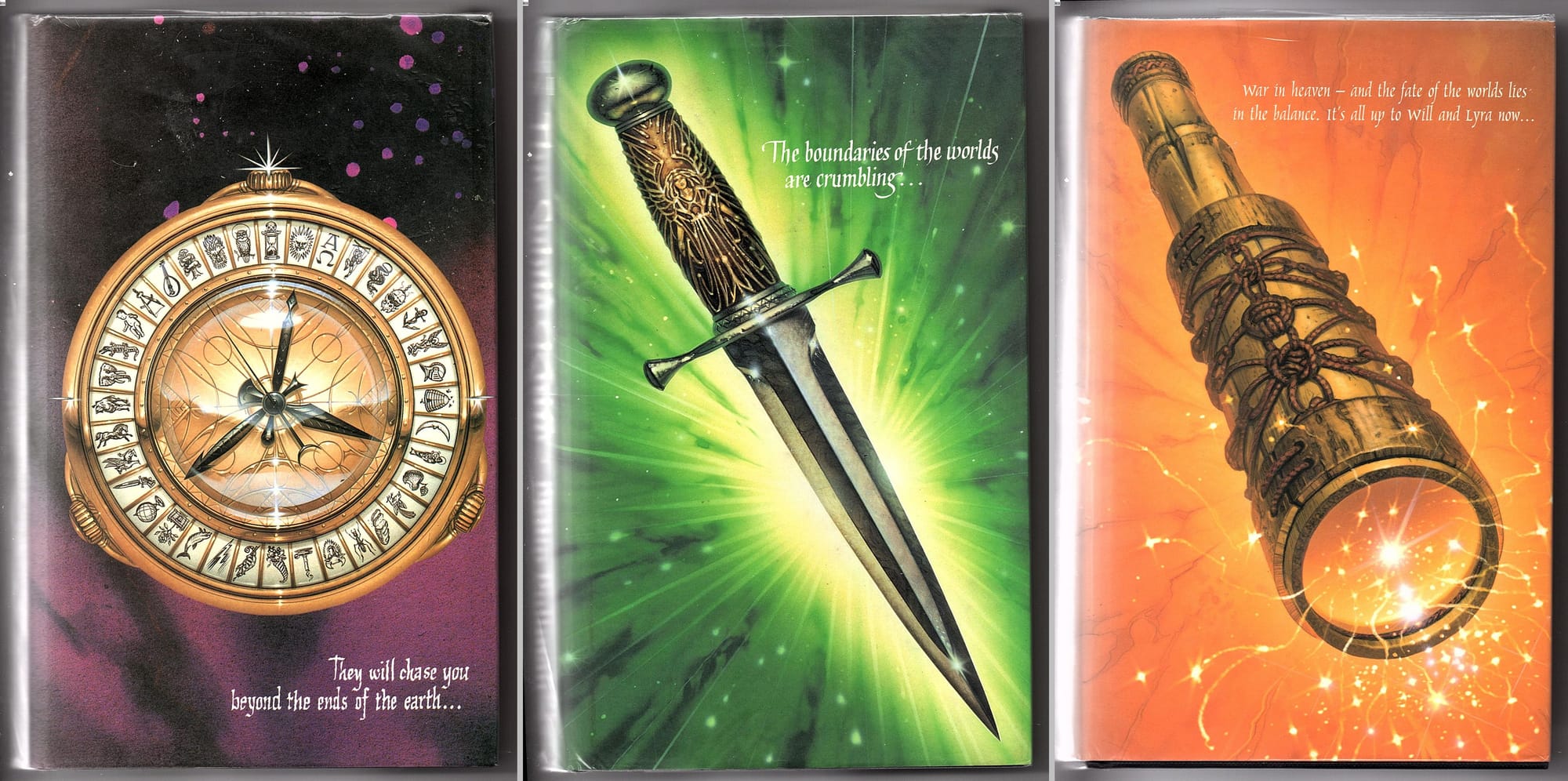
Philip Pullman's golden compass, subtle knife and amber spyglass (in His Dark Materials) all have an imperial nostalgic ring about them. The settings and storylines echo with the English eras of naval exploration and scientific achievements and perhaps a dash of the Romantics and then merging into Steampunk.
The devices themselves are older though, from the Renaissance. Pullman has said, "I love the beauty of mechanical devices - orreries, watches, compasses. The alethiometer came out of my interest in the Renaissance... During the Renaissance there was a rediscovery of Greek philosophy, and a fascination with what we now call the occult, astrology and alchemy." I was a fan of the trilogy: I especially liked the idea of the subtle knife, the daemons, and the narrative point of view, but I was less taken by armored bears and witches.
Back in medieval times, the legendary Prester John had a magical mirror in which (it was said) he could see every province of his kingdom.

Regrettably, I'm one of those who found the second trilogy The Book of Dust disappointing, especially volume 3 The Rose Field - I think of it as Oxford Orientalism padded out. However, a new set of seeing stones does appear as a communication device, but the stones are suitable only for writing, which quickly disappears.
In Tolkien's The Lord of the Rings, we have the palantír crystal balls, but this name was subsequently hijacked by the right wing surveillance company Palantir Technologies Inc. Very Saruman-ish.

In J.K. Rowling, unlike Tolkien, the ambiance feels more local and national, more contemporary, Britain in the Thirties perhaps, and so we have the Pensieve, which can look into people’s memories.