Before Cervantes there was Beatriz Bernal

Graphic novels are the best way to teach literature in high schools. For a number of years I taught Romeo and Juliet with a really good one. Why must students have to stagger through "classics" in the original language anymore? Take chivalric romances, which were all the rage in 16th-century Spain after the fall of Granada in 1492. Christianity was on the march and such romances celebrated heroes - even female heroes - wandering the land achieving great feats. The romances spread across Europe, earning Cervantes' mockery in the next century and bans by the Catholic Church, despite the fact that most people couldn't read. Today's high school students aren't great readers, so couldn't these romances make for a great graphic novel?
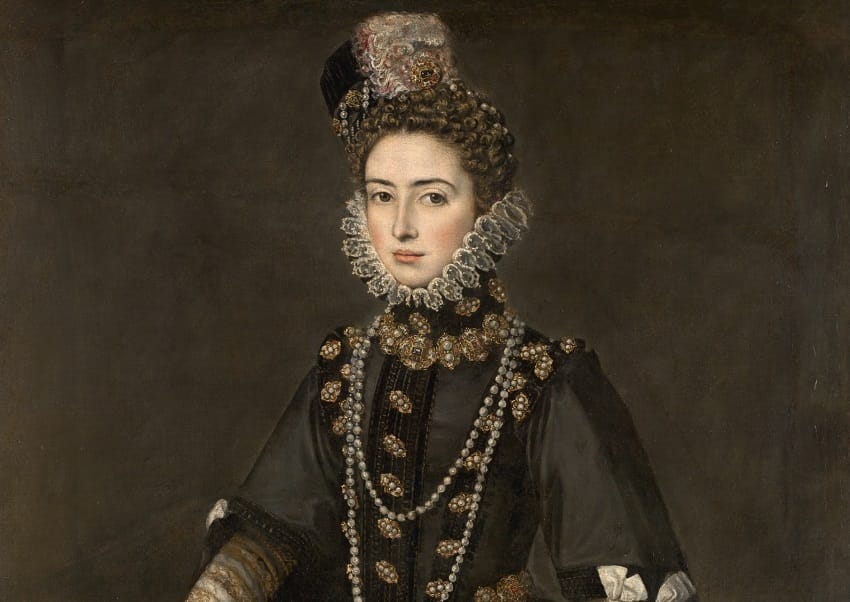
One of the most notable writers of such fare was Beatriz Bernal, who was born into a well-to-do and intellectual family in Valladolid between 1501 and 1504 and who died around 1563, after outliving two husbands. She published Cristalián de España when she was in her early 40's: it is "800 pages, bristling with swords, sorcerers, dragons and damsels," to quote The Guardian, making Bernal la primera novelista de España.
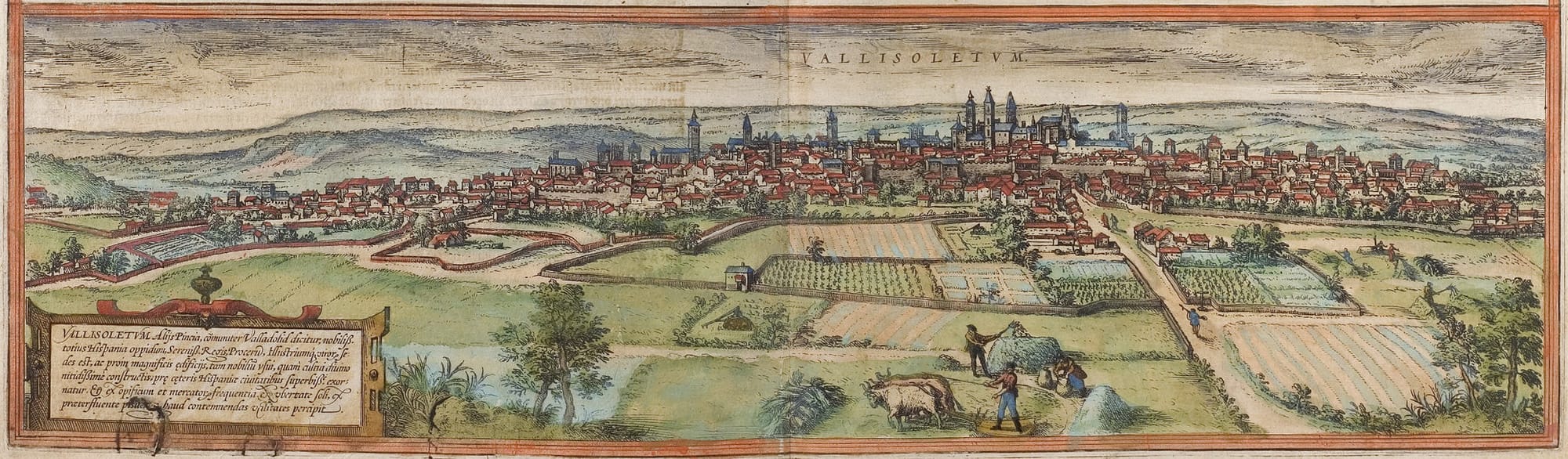
The first edition in 1545 did not bear Bernal's name and was attributed to "a noble and native lady of the most loyal town of Valladolid." It sold well and was translated into Italian in Venice in 1558, and then other languages, including English, as Mirrour of Princely Deedes and Knighthood in 1578. The second edition, published posthumously in 1587 by her daughter Juana de Gatos, named her as the book’s author. Until recently, it had never been republished since 1608.
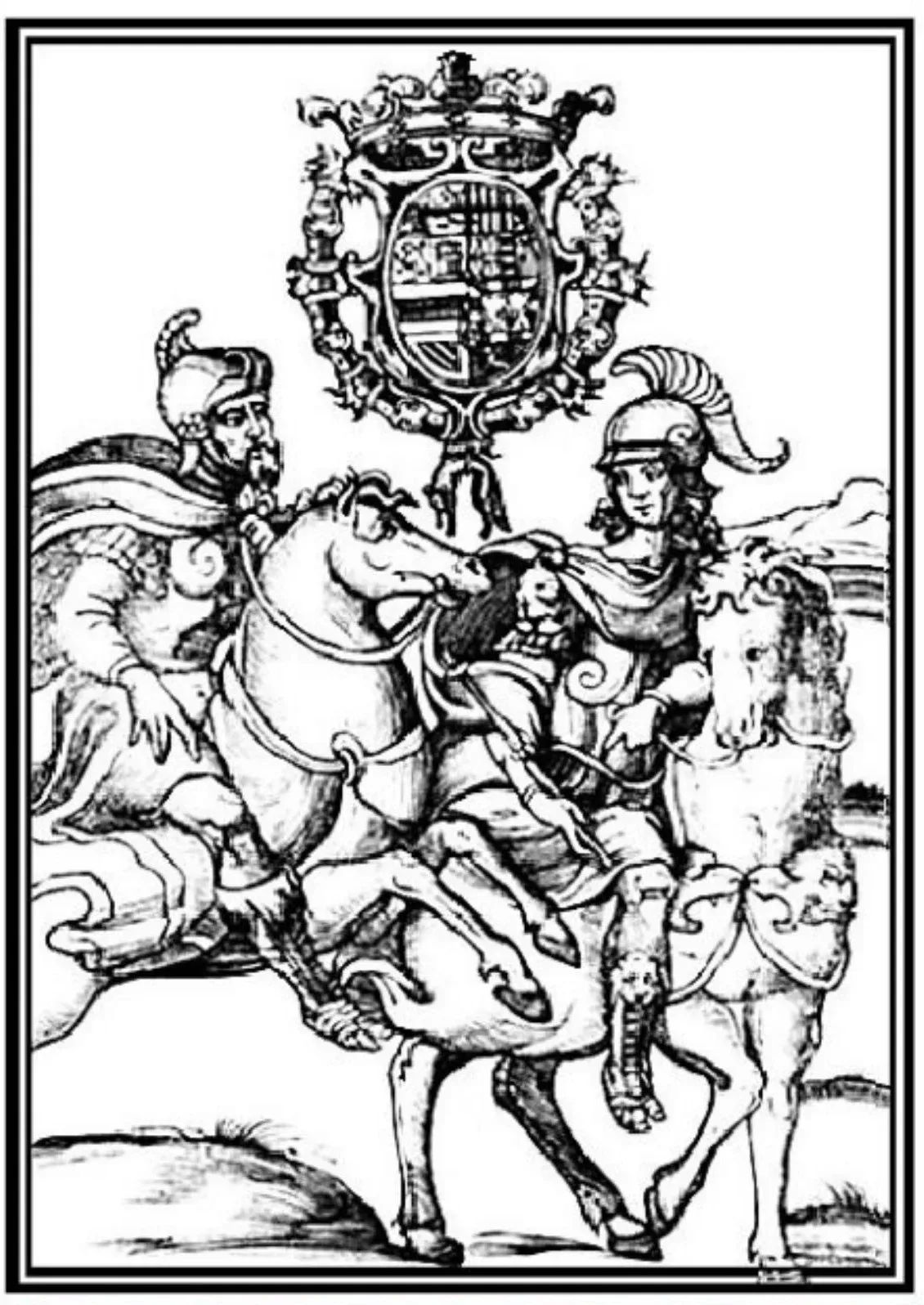
The narrative framing is interesting. The prologue states that on Good Friday, shortly before dawn, while Doña Beatriz was walking the Stations of the Cross with other ladies, she entered a church that contained a very old tomb where she found the original manuscript at the feet of the deceased. It is just the kind of thing that Cervantes had fun with.
Then there are the female characters. Although it's supposedly the adventures of the knights Cristalián and Luzescanio, the women are more interesting:
an extremely complex and varied gallery of fairies, wise-women, damsels and maidens, remarkable due to their prudence, eloquence, ingenuity and liberality. Among them stands out the warrior princess Minerva, who can be seen as a type of alter ego of doña Beatriz, as, like her creator, she ventured into men’s private domains (weaponry/the arts) not due to any need but to natural inclination. - Donatella Gagliardi
The full title of the book is a bit ponderous: Historia de los invitos y magnánimos caballeros don Cristalián de España, príncipe de Trapisonda y del infante Lucescanio, su hermano, hijos del famosísimo emperador Lindedel de Trapisonda. For the recent graphic novel, that title got shortened:
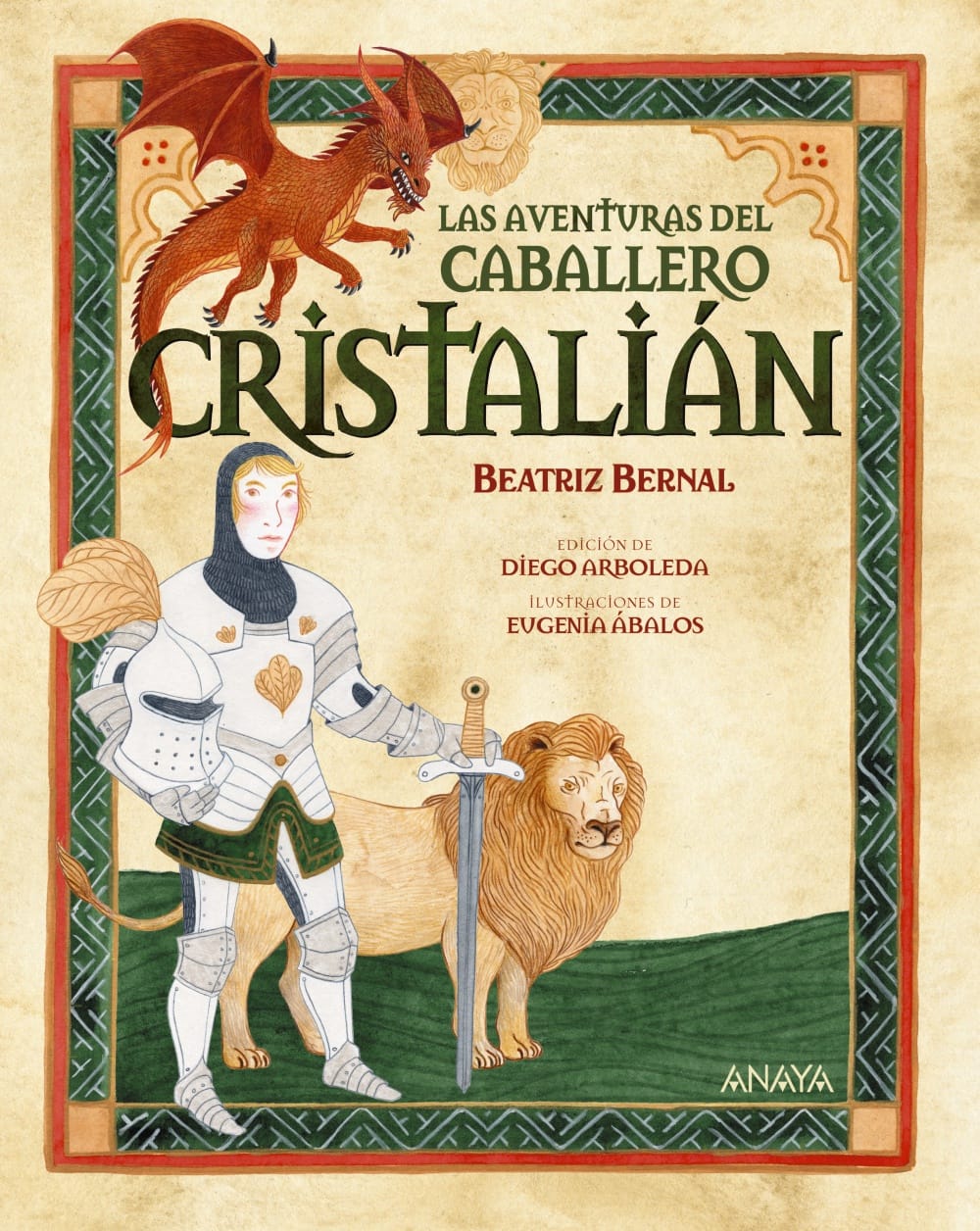
The graphic novel was created by the children’s author Diego Arboleda, who told The Guardian: “There’s this female giant who flies a dragon that you don’t sit on. There’s a door in its side and you open it and get in. It’s like a plane or like the bus from [Hayao] Miyazaki’s My Neighbour Totoro. There are so many details like that.” It sounds great! At the moment it's only available in Spanish.
There was an island, called the Island of Wonders, of which a maiden very skilled in the arts was the lady. So great was her knowledge that she never wanted to take a husband, so that no one would have command or dominion over her.