Cairo - al-Qāhirah (القاهرة)

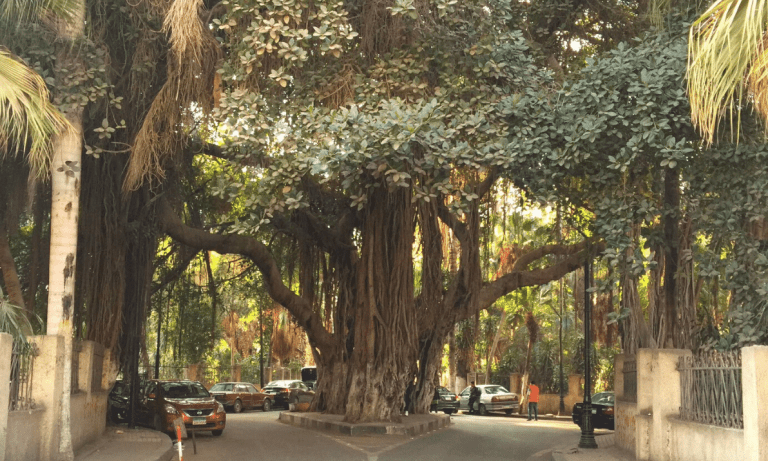
She needed to walk the Cairo streets at the time she loved them most: early on a Friday morning in October, when the summer’s heat had finally subsided, replaced by a crisp breeze just cool enough to sting her nose, when the sprawling city was mostly still sleeping. - Rajia Hassib
If Cairo is the city of a thousand minarets, it is the city of a single sidewalk. — Anis Mansour, "Tormented in Every Land."
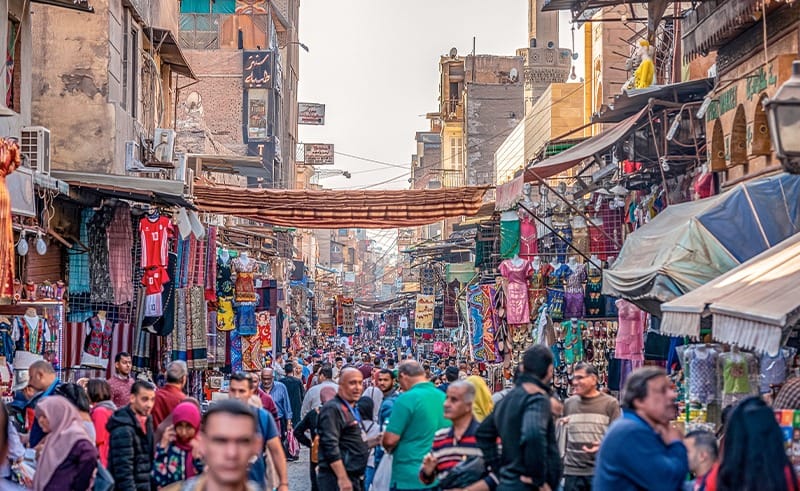
Between these two quotes is Cairo's dilemma: the "city of a thousand minarets" is also home to 10 million people, struggling for proper sidewalks...
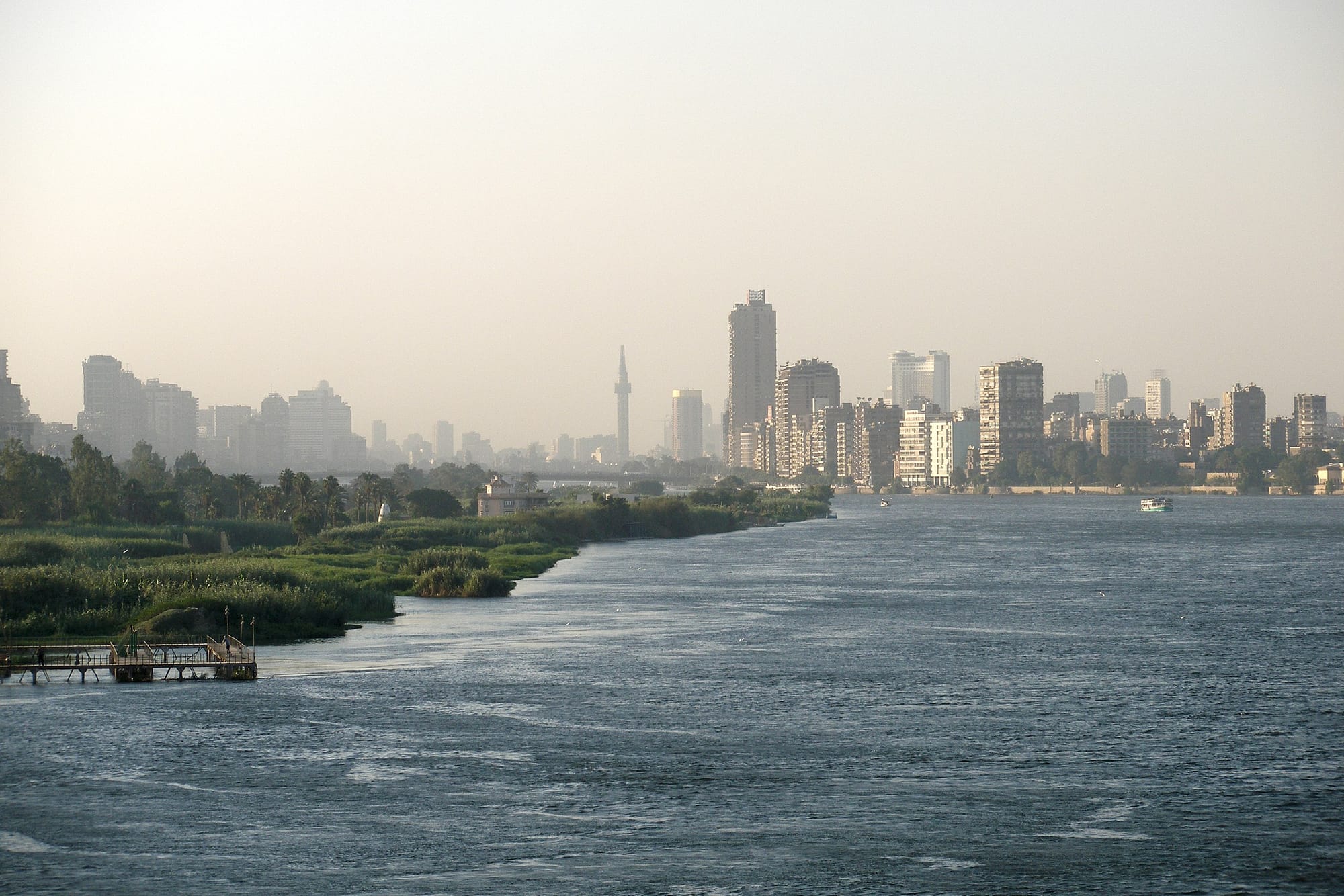
But what is Cairo without the Nile? Cairo is where the river diverges into the cobra head design of the delta: the goddess Wadjet.
Son of the old moon-mountains African!
Stream of the Pyramid and Crocodile!
We call thee fruitful, and that very while
A desert, fills our seeing's inward span.
- John Keats, Sonnet, "The Nile."
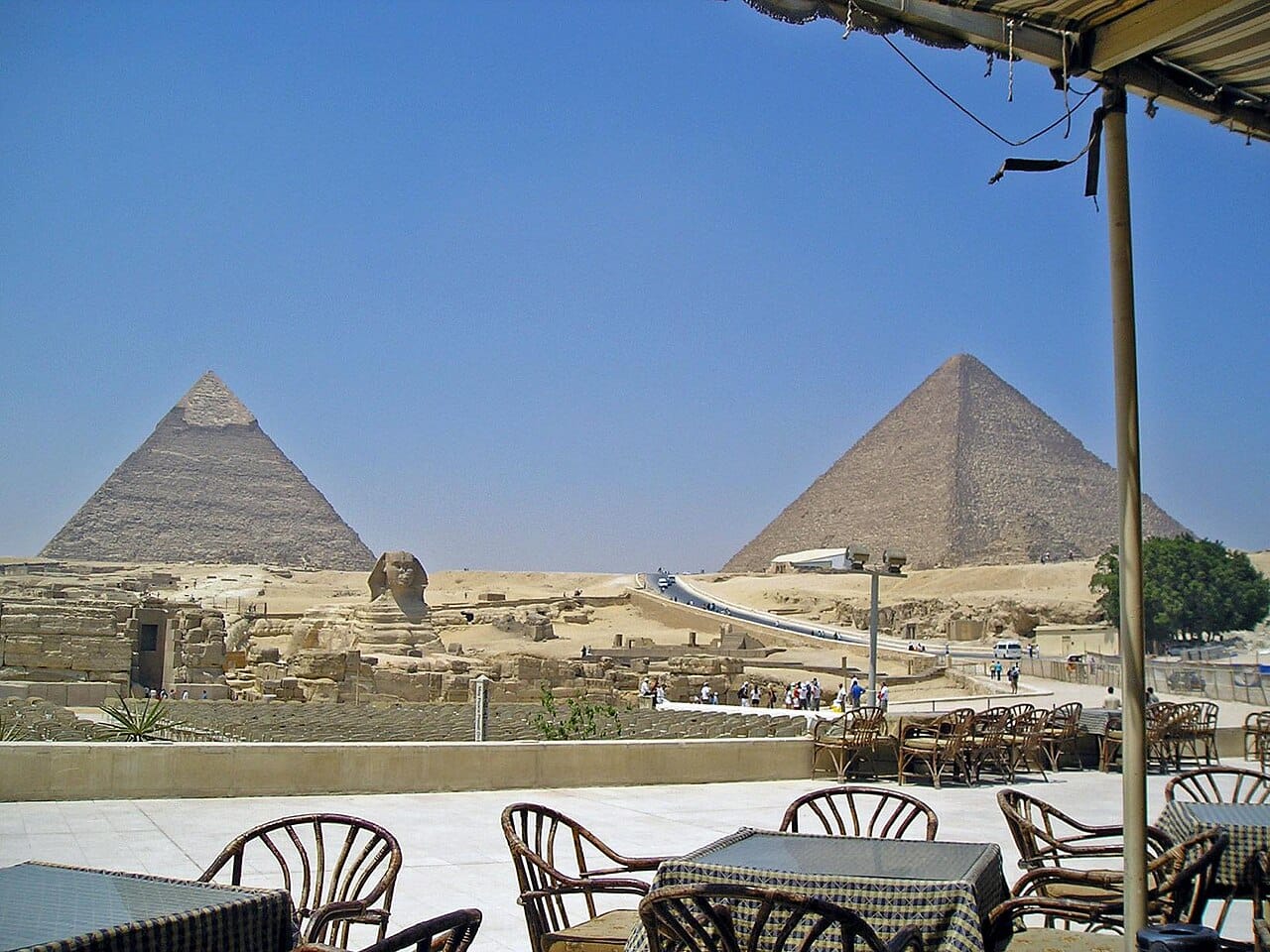
Or the Great Pyramids of Giza and nearby Memphis...
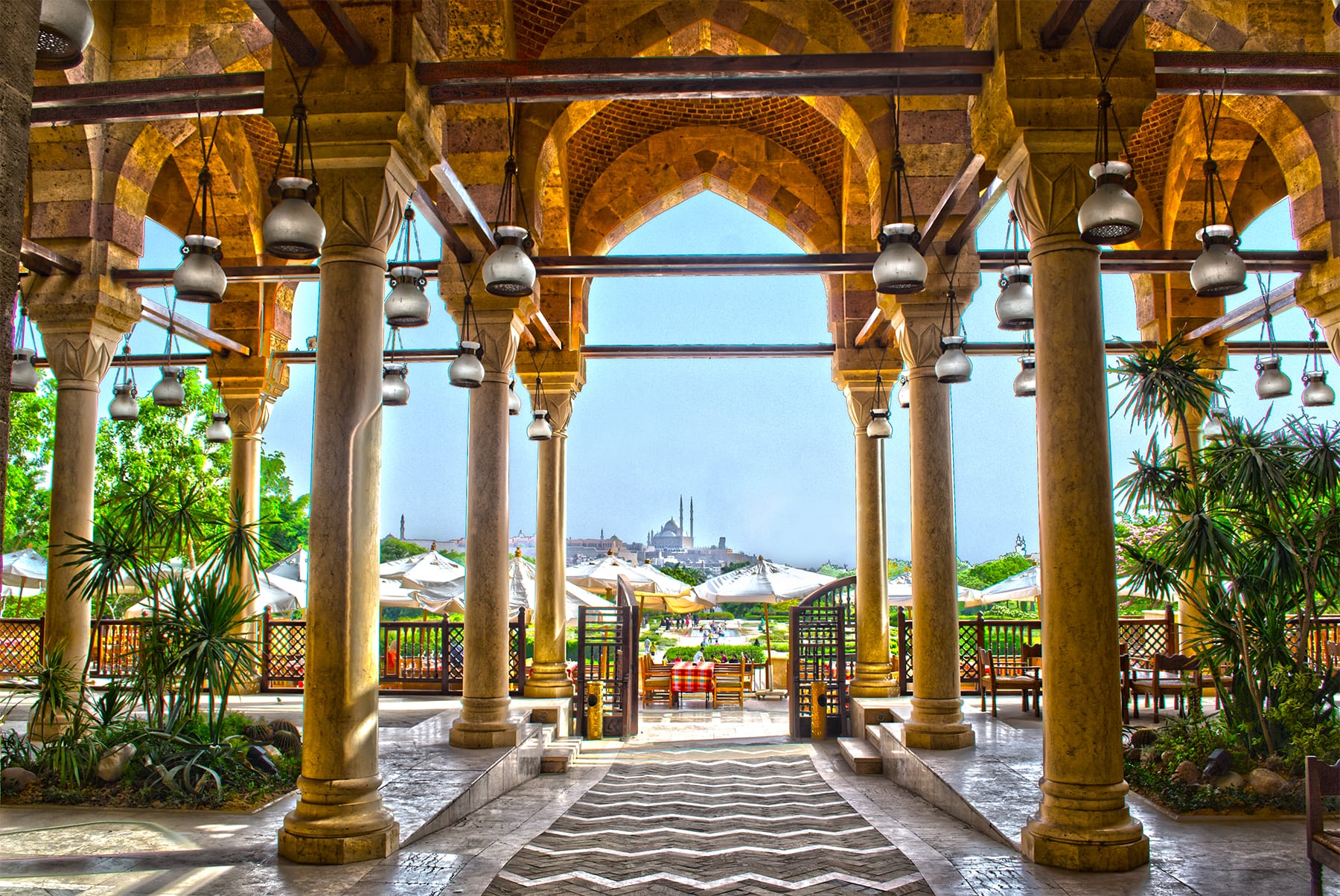
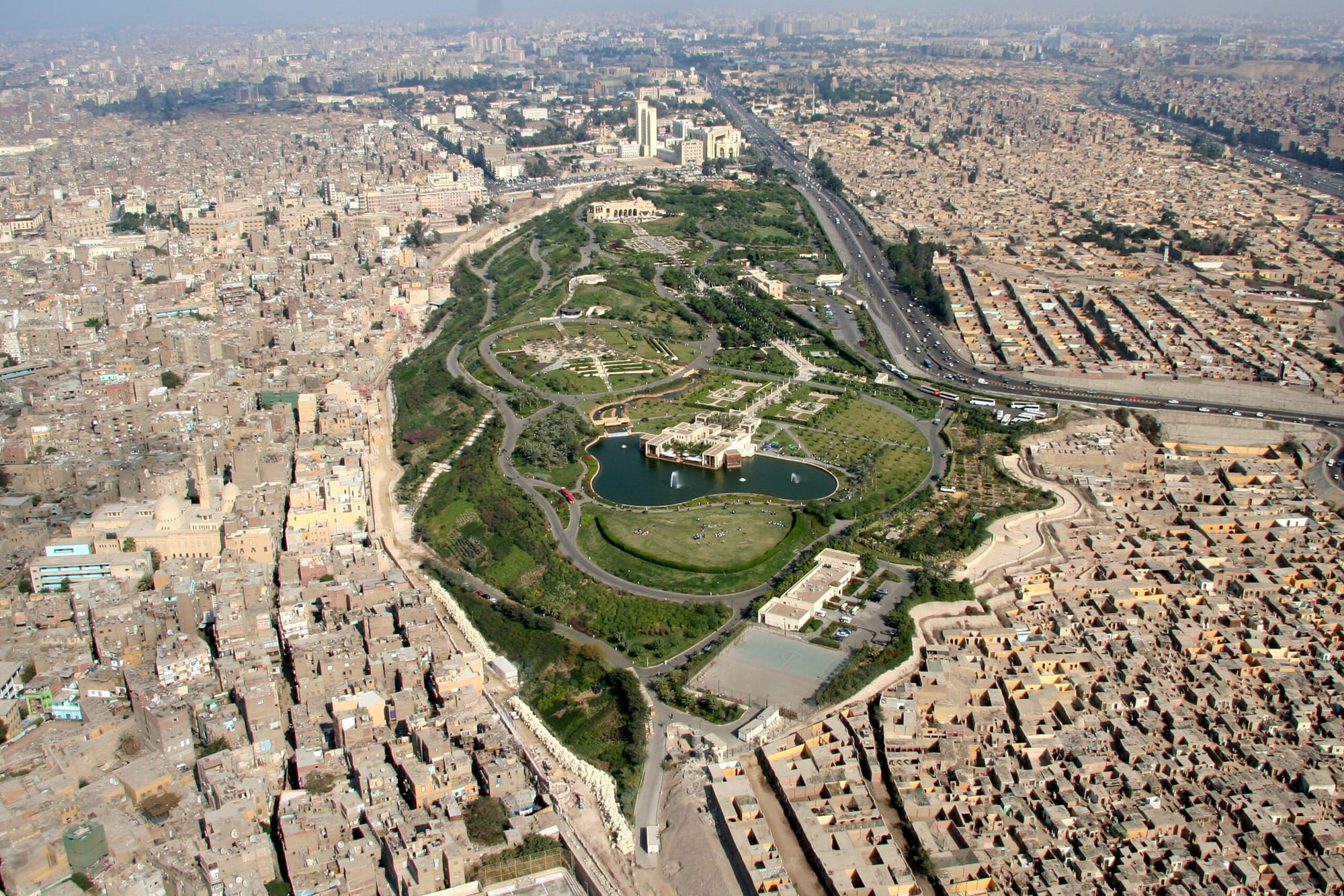
Or Al Azhar Park (up top and below), a modern park in Al-Darb al-Ahmar which opened in 2005, funded by the Aga Khan Historic Cities Program:
Below is an Art Nouveau jewel in the Al-Helmiya district that hopefully will be restored one day before it falls down. Known as either the House of Mohamed El Sayed or as Abdul Salam Pasha Khalil Palace, it was designed by the Italian architect Antonio Lasciac:
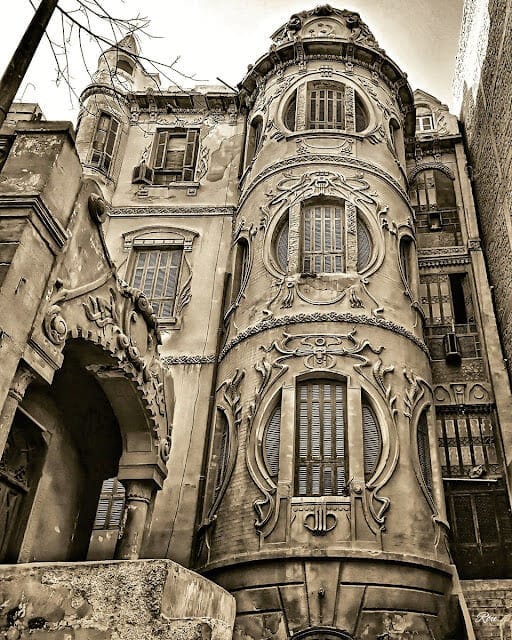
Above, I deliberately chose contemporary images, because many of us in the West identify Egypt with its ancient history, not its contemporary one. That said, the historical images are undeniably interesting too. For millions of Cairenes and Egyptians, Cairo is Maṣr (مَصر), the name for Egypt itself. Egypt in turn is often called Umm al-Dunya, the Mother of the World. ("Egypt" was the original Greek name).
At the beginning, I thought the best Islamic work was in Spain - the mosque in Cordoba, the Alhambra in Granada. But as I learned more, my ideas shifted. I traveled to Egypt, and to the Middle East many times. I found the most wonderful examples of Islamic work in Cairo, it turns out. I'd visited mosques there before, but I didn't see them with the same eye as I did this time. They truly said something to me about Islamic architecture.
― I. M. Pei
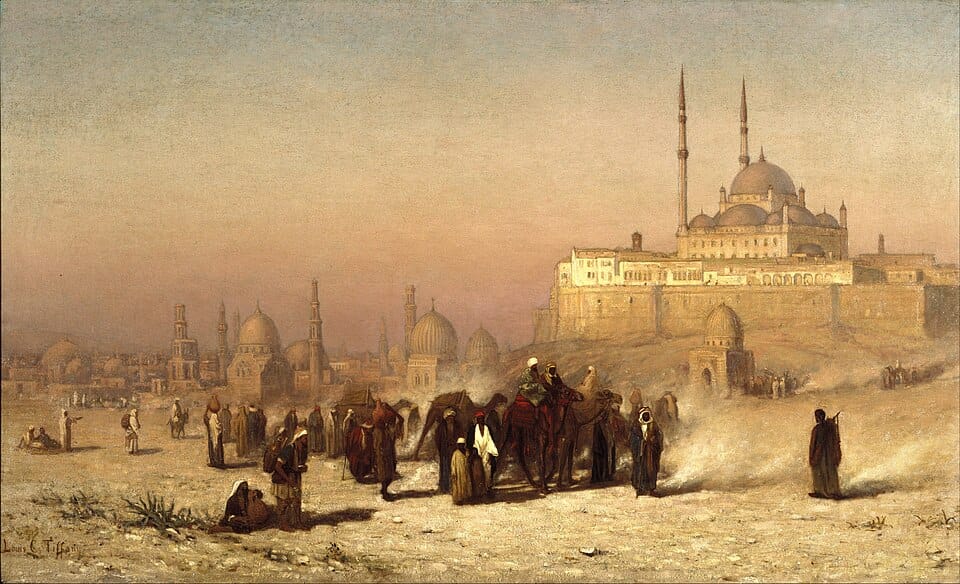
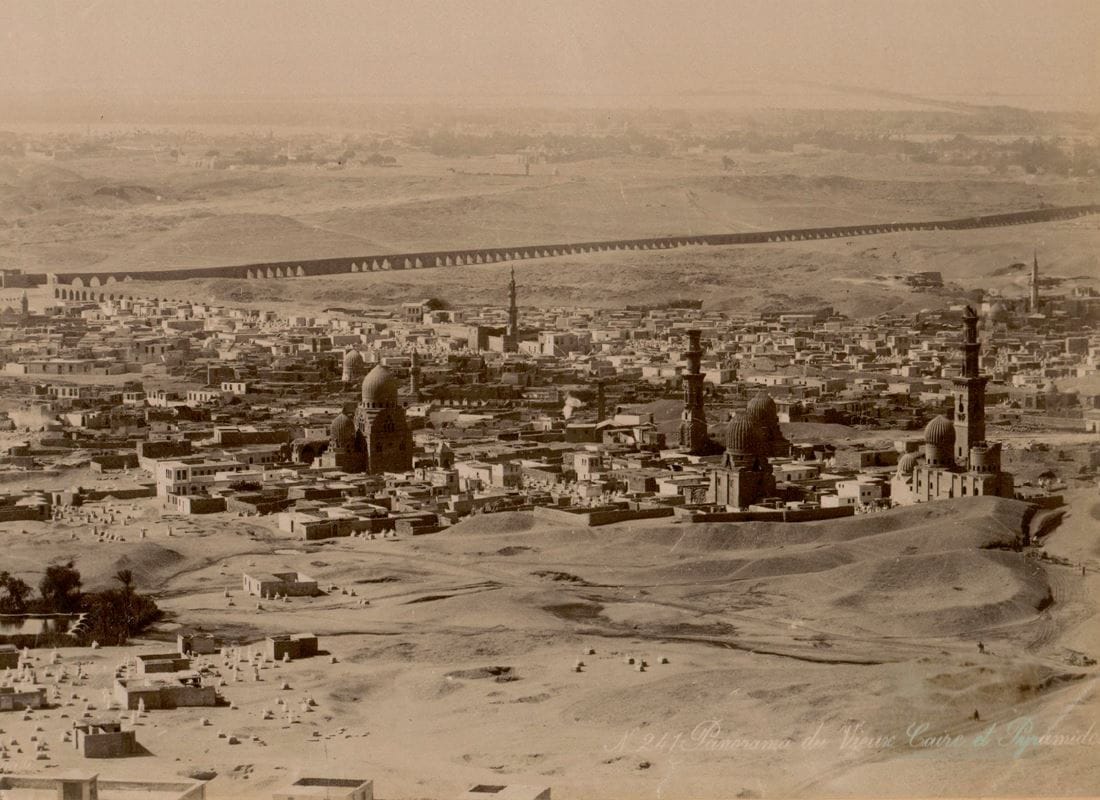
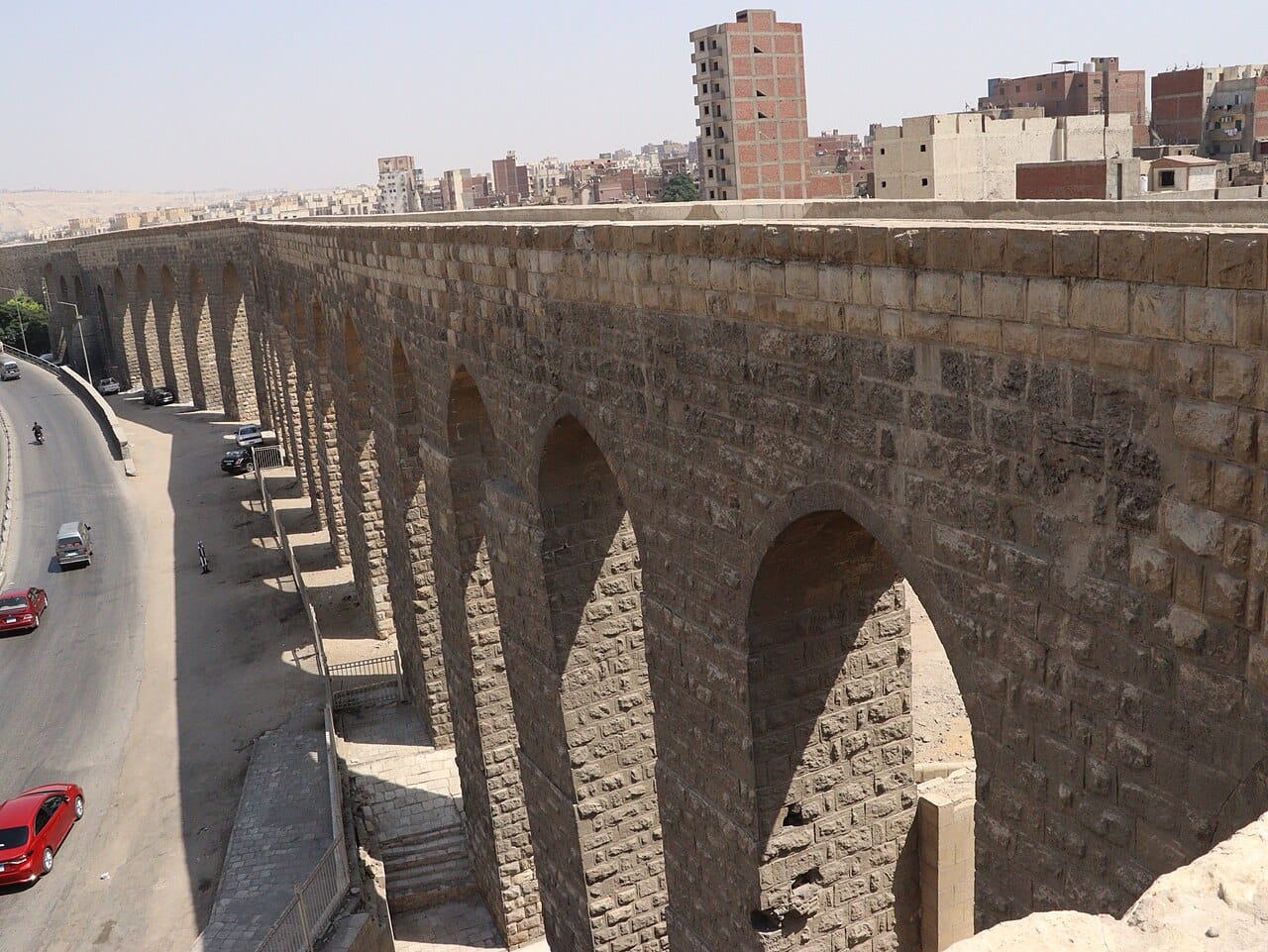
This mosque inside the Citadel was built by Muhammad Ali Pasha between 1832 and 1857 and to the left are tombs of the Mamelukes. Shown below is the nearby Southern Cemetery with the Citadel Aqueduct in the background. It brought water from the Nile and much of it remains today (lower photo), although it's not in use. This photograph is from 1890: