Gen Z and psychic anxiety: blame boomers

I believe young people are almost invariably right about political matters and that older people are almost invariably wrong. I am old but I'm right about this. I like to think I'm a fox who can be a hedgehog too [ ].
I believe Gen Z are psychically picking up the horrors that have returned to our world with the breakdown of the old order - climate change, wars, genocide, lawlessness, out of control capitalism, corruption, AI, right-wing propaganda, pandemics - and it manifests itself in extreme anxiety - dread - and let's not overlook the anger and frustration and loneliness and depression that come with it. And they are right.
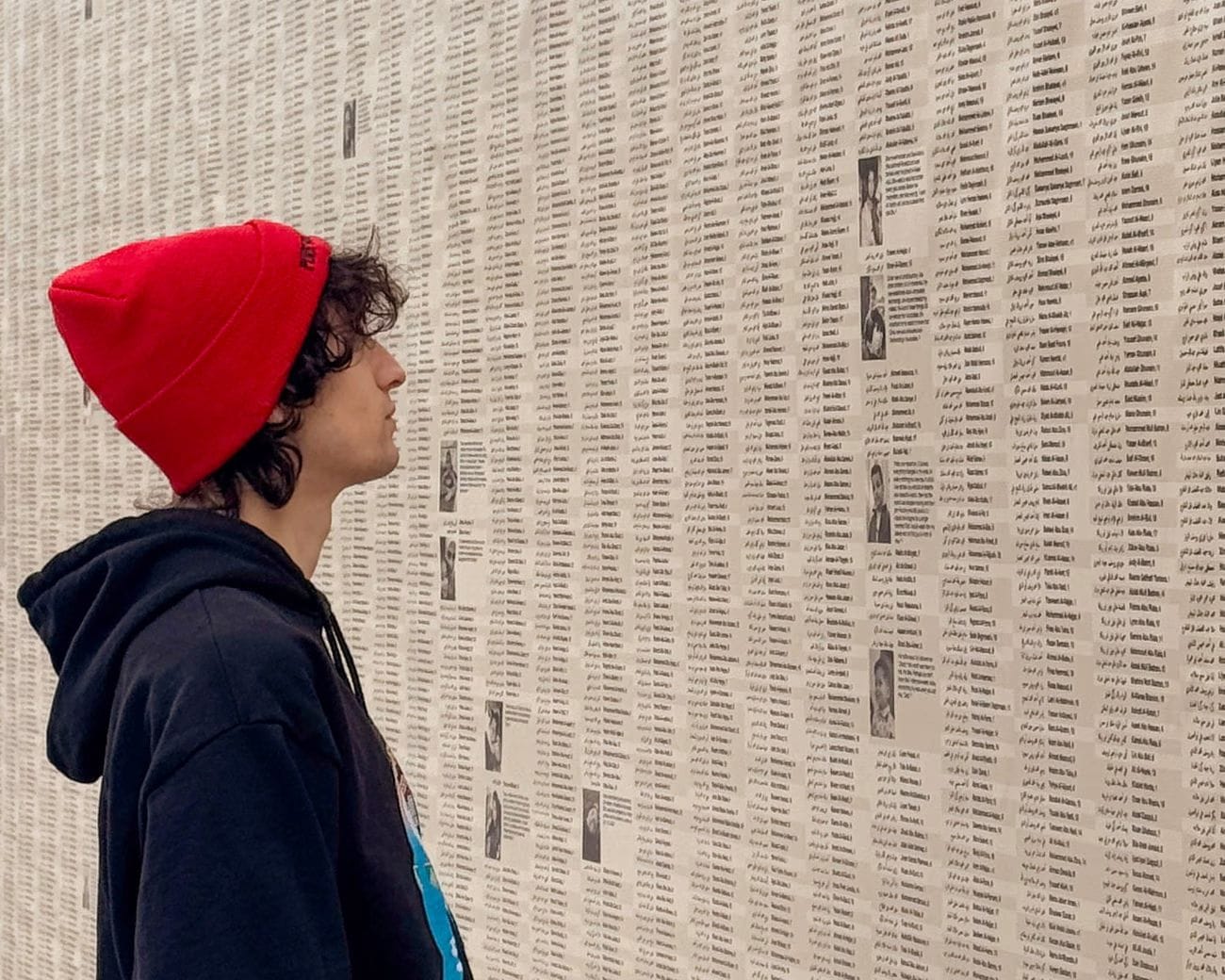
I suppose "psychic" sounds too much like vibes, but vibes are underrated. Gen Z have made a meme of the word because it captures how they feel: the indeterminacy of life and the need for emotional resonance in an inauthentic world. There are precedents for this. Carl Jung had nightmares in the years before World War I that he would argue (later) were warnings from the collective unconscious (that we humans supposedly all share). They told him greater horrors were coming. He wrote about these dreams in his Black Books and Red Book, which were published long after his death in 1961.
Around the same time, W.B. Yeats wrote The Second Coming (in 1919):
Turning and turning in the widening gyre
The falcon cannot hear the falconer;
Things fall apart; the centre cannot hold;
Mere anarchy is loosed upon the world,
The blood-dimmed tide is loosed, and everywhere
The ceremony of innocence is drowned;
The best lack all conviction, while the worst
Are full of passionate intensity.
Overly dramatic? But, premonitions have validity. Jung and Yeats wrote against the backdrop of World War I and the Irish War of Independence. In 2026, we have to confront the idea that it's the Boomer/Gen Xers, like Jonathan Haidt (The Anxious Generation), and Jared Cooney Horvath (The Digital Delusion) who are the real doomers here, not Gen Z. They are so Trumpian: through an act of projection and transference the "olds" slur Gen Z, rather than acknowledge their own failures to prevent the horrors that are coming, attacking the symptom rather than the disease.
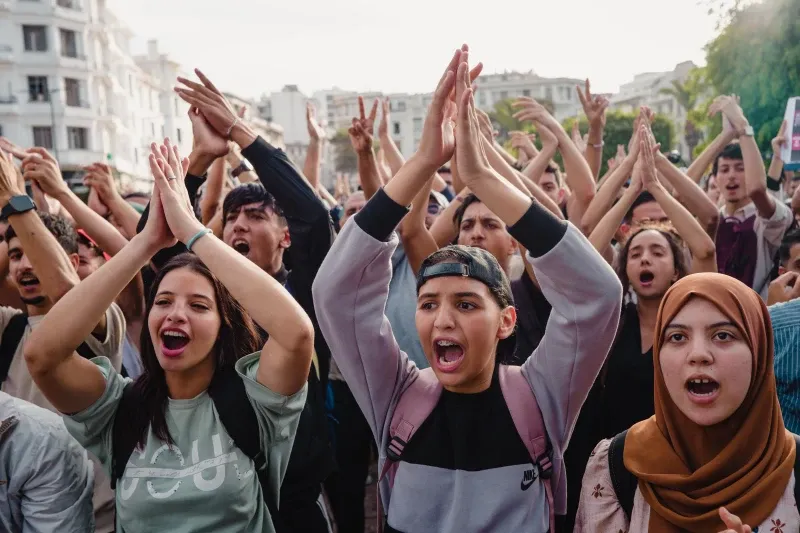
Older people have always done this, it's part of aging, becoming more stubborn and fearful, or trolling the young, but now it's worse. They blame smart phones and social media. They "diagnose" Gen Z with afflictions like ADHD and autism. They rely on dubious standardized testing results and cherrypick data to support false assumptions. Mainstream media love this moral panic; it's a distraction. The Wikipedia entry for Gen Z is certainly not written by Gen Z, where the genocide in Gaza doesn't even get a mention. Tell it to the proud young protesters who stormed Nepal's Parliament, and in Minneapolis, London, Belgrade, Iran, Indonesia.... their fire, their rage... it's everywhere now and it's spreading and so is the blame.

I know humans have been through this before, but even after the horrors of the previous century, this time seems different, because there is more at stake. Joan of Arc, in a land beset by war, turned to mystical thinking. Her visions of saints and prophetic dreams embarrassed her elders but they reshaped her world for the better. She was only 17. This time around, Gen Z is supposedly the least religious generation in recent history, so it seems unlikely that religion and quasi-astrology, let alone music or poetry, will help much during these times of uncertainty and stress. But, if we are to escape the doom loop, we have to listen to young people, accept that they are not at fault here and do what we can to give them what they are demanding, because they are right.