Terry Jones' 'Barbarians'

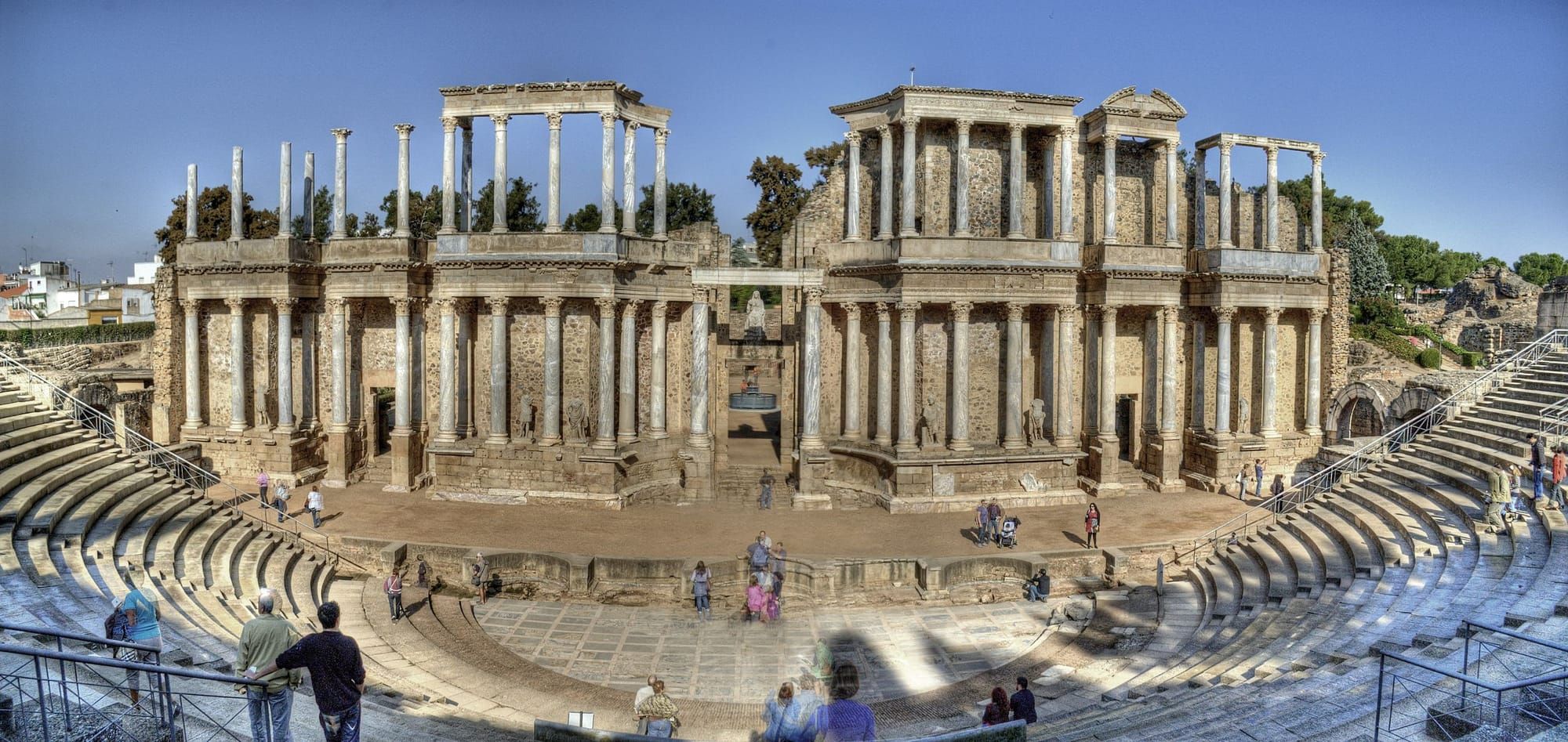
Perhaps it's because he was Welsh?
Terry Jones of Monty Python fame was scathing about the supposed civilization of the Romans. In Barbarians, he and co-writer Alan Ereira wrote:
We've all been sold a false history of Rome that has twisted our entire understanding of our own history – glorifying (and glossing over) a long era of ruthless imperial power, celebrating it for the benefit of Renaissance tyrants and more modern empires, and wildly distorting our view of the so-called 'Middle Ages' and all of the peoples whom Rome crushed and who were then blamed for its fall.

Well said.
This line of argument extends to the notion of the "Dark Ages," as if, once the Germanic and Gothic "barbarians" won, the lights in Roman Christendom went out. Some historians think of this as the invention of Jones' "Renaissance tyrants," and there is no doubt he is aiming at Petrarch here. In turn, that opens up another line of argument: was there in fact a "renaissance" or was this the construction of later writers? Undoubtedly. Certainly, that's the argument made by historian and writer Ada Palmer in her 2025 book, Inventing the Renaissance: The Myth of a Golden Age. She has said this of the Renaissance:
Because it’s not true. It’s never been true. There’s no such thing as a dark age, and there’s no such thing as a golden age. It’s entirely made up. But it’s really narratively satisfying right? It’s easy to believe in cycles of history. When we’re making up the history for a science fictional world or a fantasy world. You know there was an ancient era when there were elves. Everything was great. It was a golden age, and then there was a fall. There was a dark age, and dark lords like these are very easy, recognizable, satisfying narratives and ways to understand our world. And they’re really, propagandistically useful. (.)
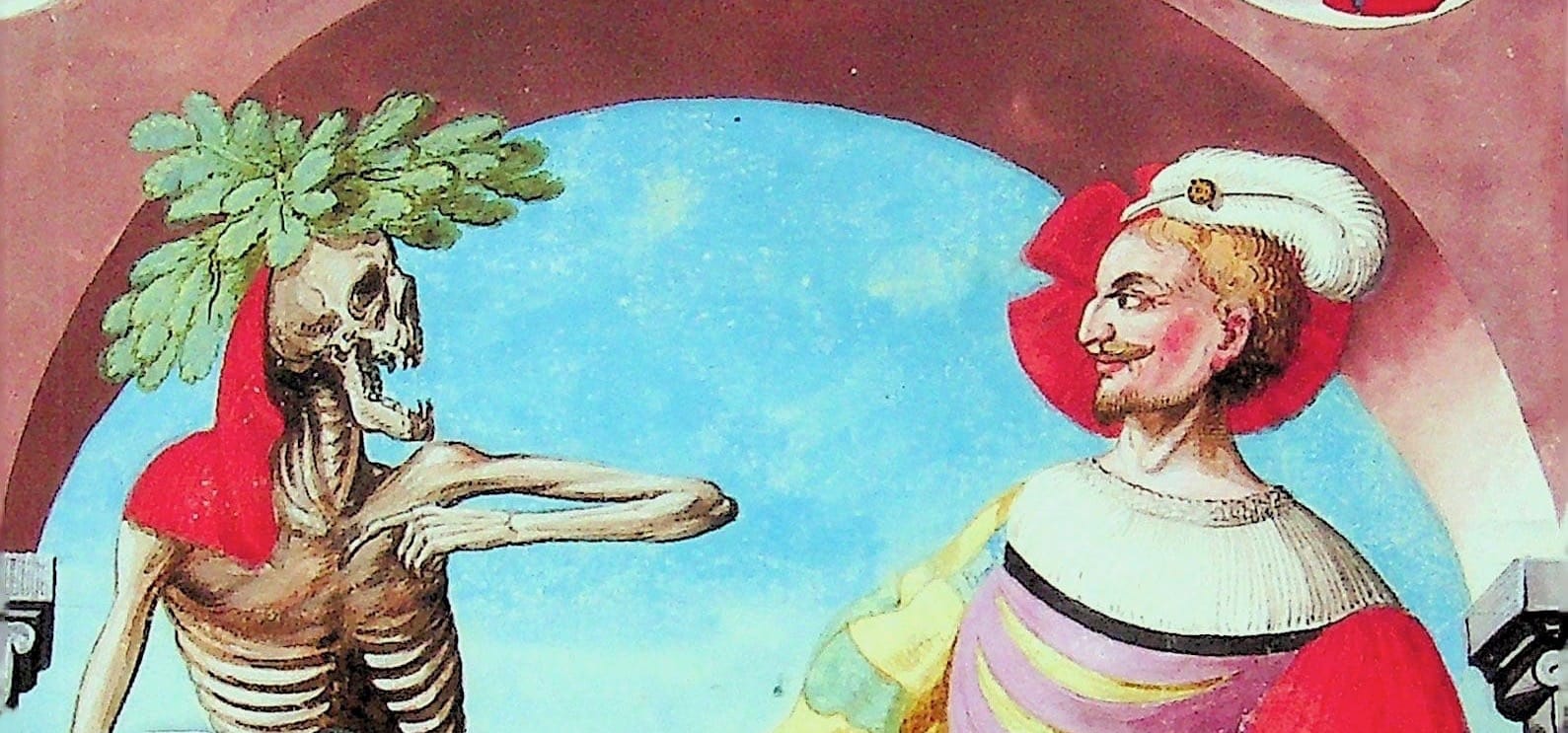
With relief, with humiliation, with terror, he understood that he also was an illusion, that someone else was dreaming him.
- from The Circular Ruins by Jorge Luis Borges