The Great Spa Towns of Europe - 3 that didn't make the cut
When I travel, I look for ghosts, where I can imagine a past in the present. Today's great cities do not have many ghosts, but a few do: I like to think Lisbon's Bairro Alto and Rome's Trastevere and Venice's Cannaregio still have some ghosts, and maybe Istanbul and Genoa away from their ports.
Anyway, UNESCO has a heritage category called "The Great Spa Towns of Europe" (link) and 11 historic spa towns fit the bill, including Spa in Belgium. The others are 3 in Germany and 3 in the Czech Republic, then 1 each in the UK, France, Italy and Austria. I have written about two of them - Karlovy Vary and Bath - because of Beethoven and Austen respectively. I think the ghosts are long gone from most of the 11 - I find most of their modern spa facilities ugly - so, I wondered why certain other spa towns didn't make the list. I know the Czechs managed the entire nomination project, so I chose three in Austria that I found interesting.
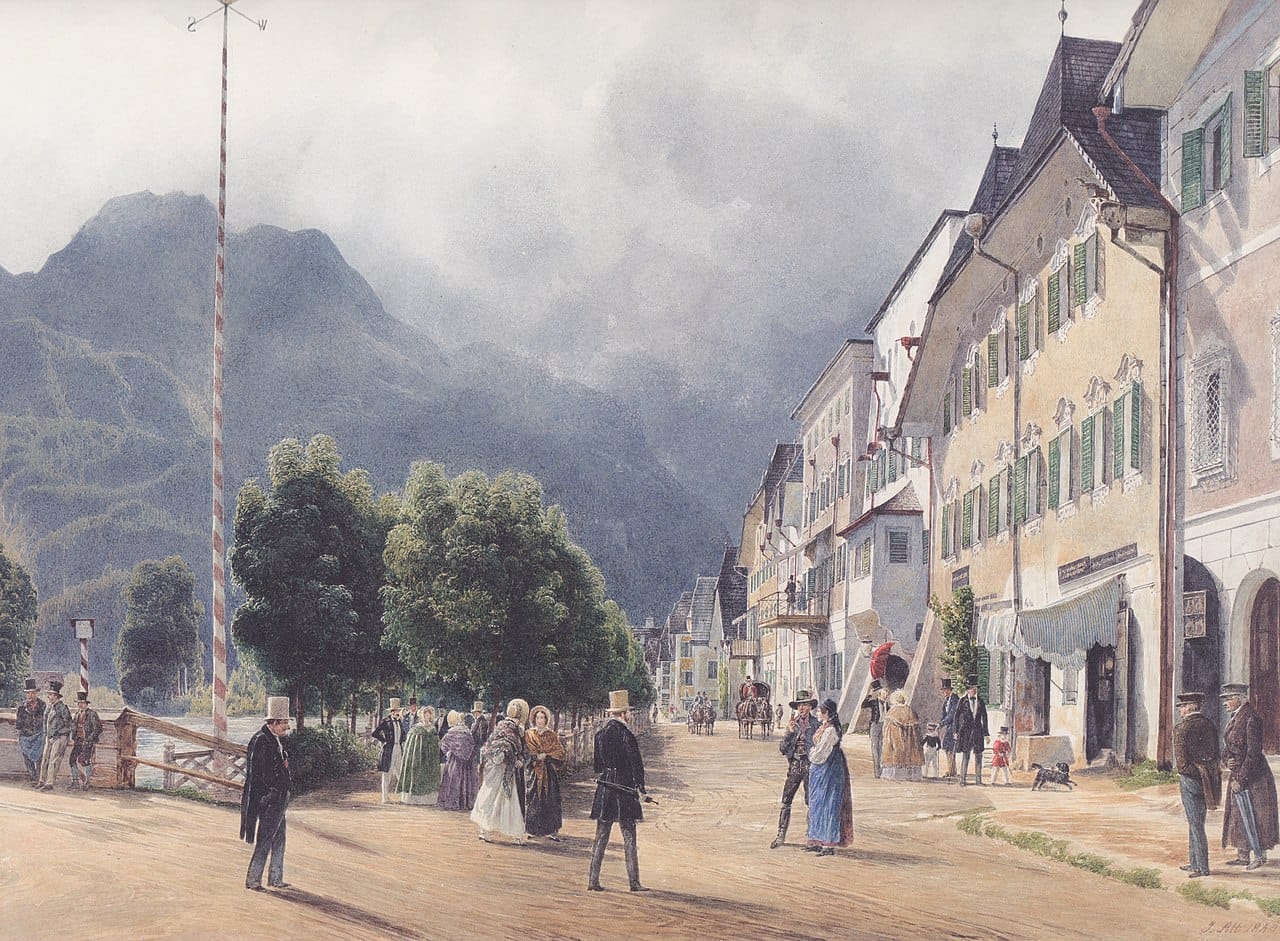
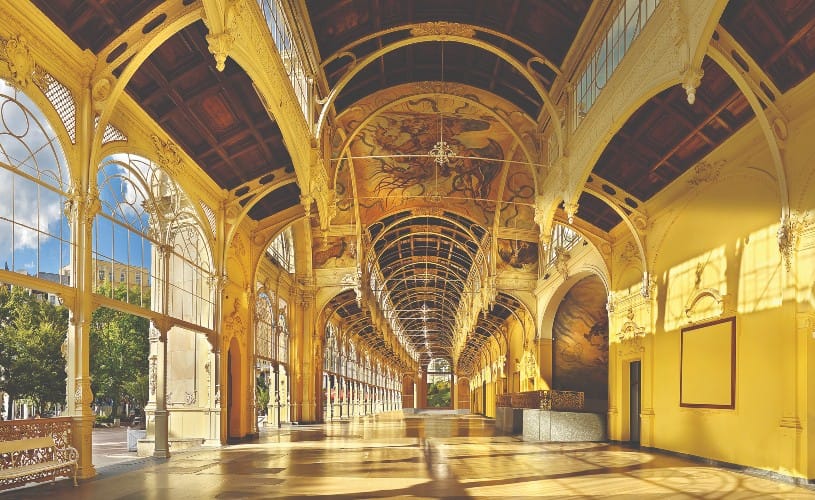
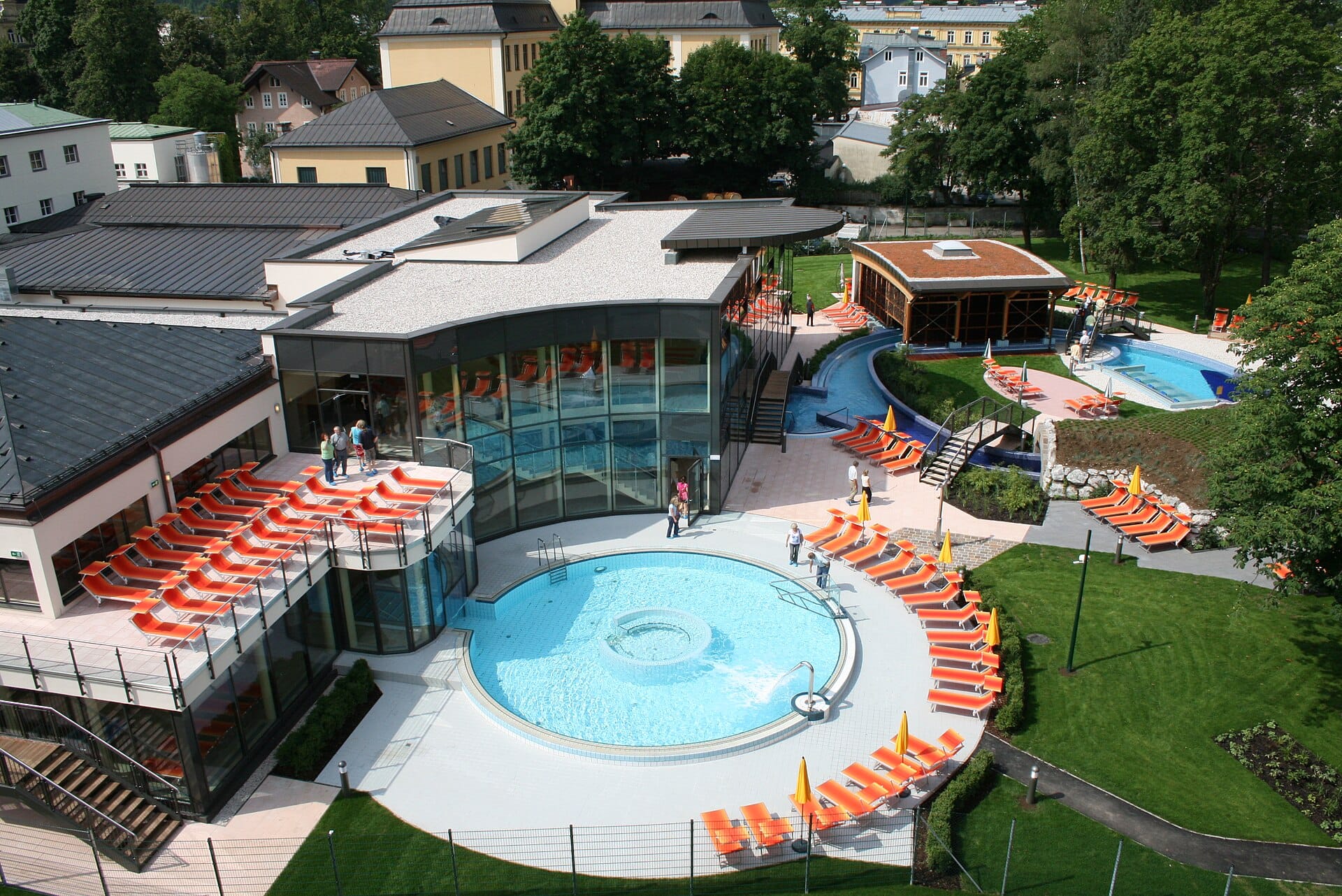
Bad Ischl: it almost made the list but failed because Baden bei Wien is just better. But, I imagine if the initial 11 is expanded, this would be a strong candidate. Bad Ischl does have the original spa, the Trinkhalle (Pump Room), although it's been repurposed as a concert venue, and it does have the Kaiservilla, the summer residence of Emperor Franz Joseph and Empress Elisabeth (known as Sisi), and the town was a European Capital of Culture in 2024. Above is a portrait in 1840, which retains the magic, and below is part of the modern Salzkammergut thermal baths which, like most modern spas, doesn't have any magic.
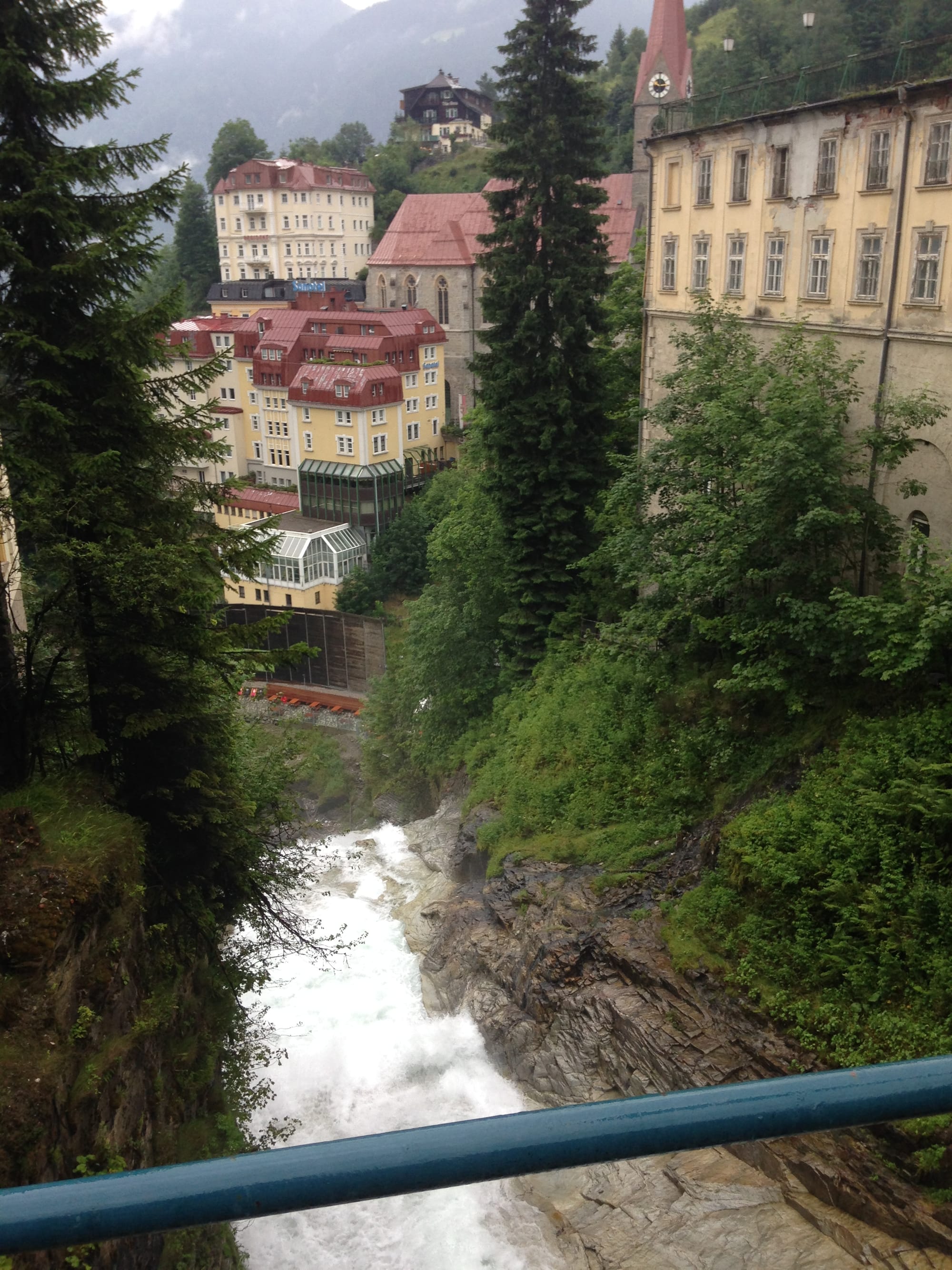
Bad Gastein: I'm sure this famous spa town was never considered because it's run-down, especially the lower historic part, not the upper part where the modern spa is (the town is built on a hillside in the Austrian alps). It feels like a ghost town for most of the year (except for ski season) with underused or abandoned hotels near the famous waterfall (shown below).
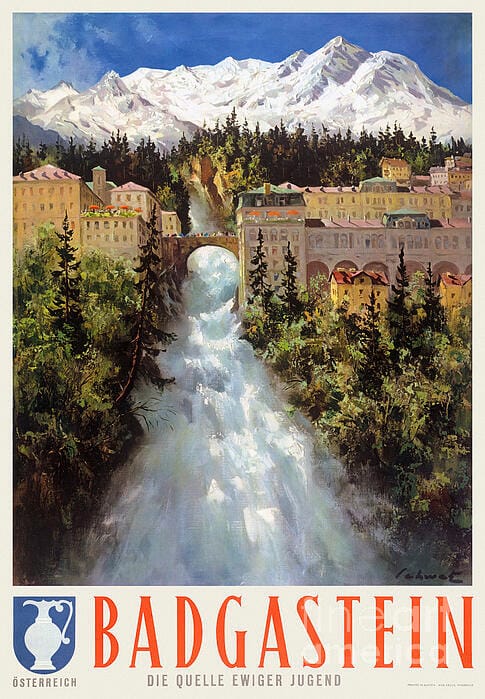
But, the waterfall doesn't really look like that. Back in the day, Emperor Franz Joseph I and Empress Sissi, Kaiser Wilhelm I, and celebrities such as Franz Schubert, Sigmund Freud, Marlene Dietrich, Clark Gable, Stefan Zweig and Thomas Mann stayed here. Things deteriorated from the 1960's and now a real estate dispute is holding up improvements. I liked the very quiet vibes though. Here's the waterfall these days:
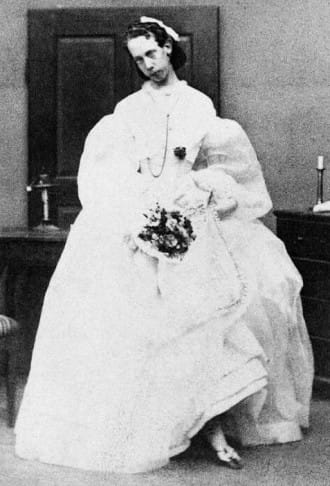
The Central Bathhouse in Vienna, historically known as the Zentralbad and Kaiserbründl, is my other choice. It opened in 1889 and it was - and is - a luxurious, Oriental-Moorish style, four-story building in central Vienna. But, it has always been a gay men's sauna. It was notorious in 1904 when one of the Habsburg royal family, the openly gay and cross-dressing Archduke Ludwig Viktor was very publicly slapped for hitting on an attractive young man and a scandal ensued and he was banished to Salzburg. This is him on a bad day:
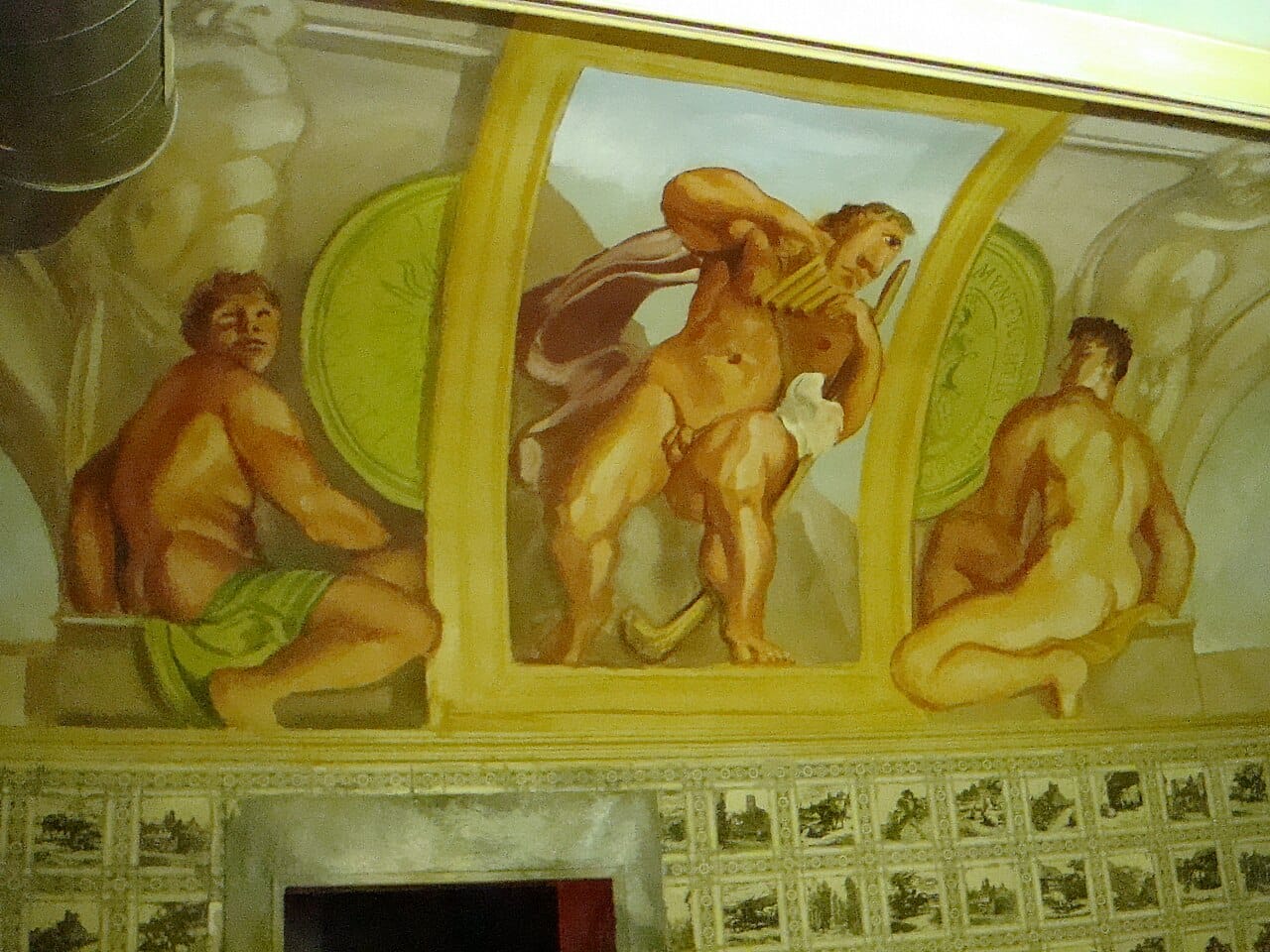
I would have thought the Czechs would have vetoed the Central Bathhouse partly on these grounds, but it's more likely that it was never considered because it is a famous building, rather than a famous town in its own right. Also, UNESCO is (rightfully) annoyed that Austria has started building high rises nearby, which violates the UNESCO heritage designation for Vienna's inner district. I can't say the interior murals are that great; below is one of them.
As for the United States, although the Trump administration has withdrawn (again) from UNESCO, effective at the end of 2026, the current 26 UNESCO World Heritage sites in the U.S. do not lose their status. Famous sites include the Statue of Liberty and Grand Canyon.
Also see The Bathhouse here