The Panopticon: more surveillance = more paranoia?

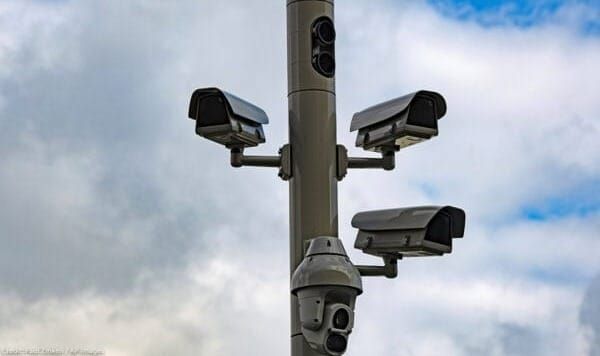
My Los Angeles neighborhood is overrun by Flock cameras. My neighbors have retreated behind their walls, their security companies, their guns and their gated communities. Some have panic rooms and underground bunkers!
You might say, architecturally speaking, that their houses have turned their backs on the street. The neighborhood no longer exists for them, except as something to drive through and, judging by Nextdoor messages, they live in constant fear. Perhaps they always did but now, if you walk into Best Buy, the entire front-of-store area is devoted to surveillance tech. There's a reason for that: affluent people are desperate to buy it! And all that data is going to Big Tech and Palantir and that's even worse. I also expect to see more drones from now on.
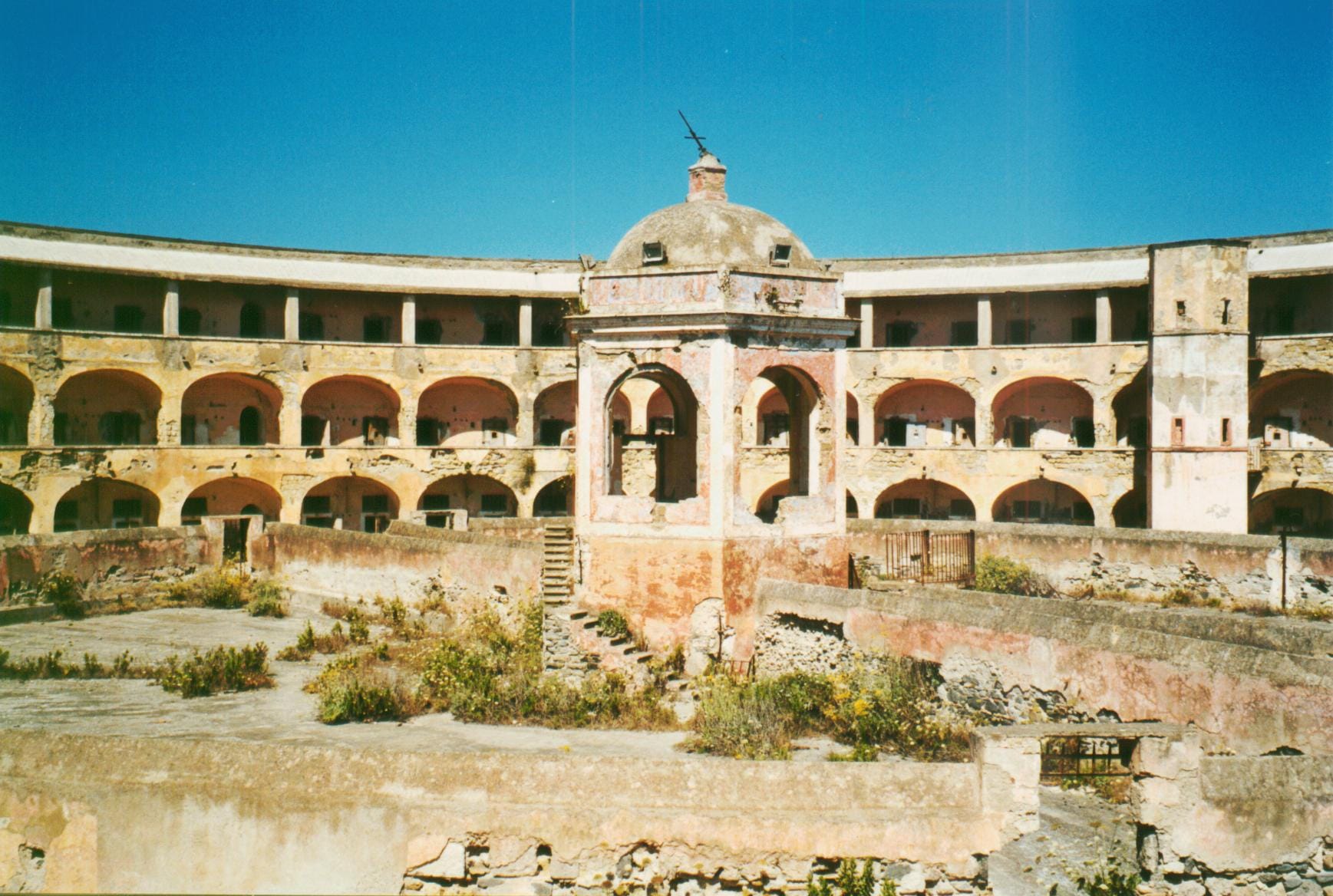
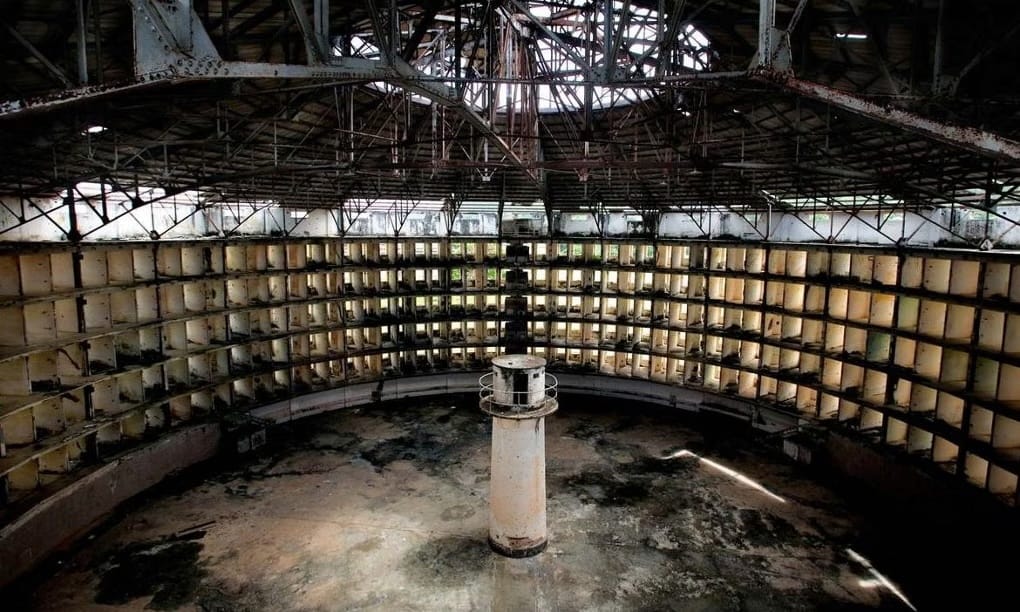
Are we creating a prison with all this surveillance? It's a well recognized idea, called variously "the fortress complex" and "the security paradox." It has its roots in the idea of the panopticon, which originated with English moral philosopher Jeremy Bentham, who wrote about it throughout his life. He became convinced that it offered a much fairer way to organize prisons, because it was more transparent. Only long after his death in 1832 did it become the model for some real prisons, like the one above in Italy and the one below, Presidio Modelo complex in Cuba. Both became horror shows and are now closed.
Perhaps it's a stretch to compare these prisons to wealthy suburban Los Angeles neighborhoods, but I don't think so. Several California cities have recognized this, because their data was shared with ICE and because hackers and voyeurs (some of them working for the state) can use the devices for stalking and other crimes. A few cities have canceled their contracts. Ironically, echoing Bentham, Flock Safety cites the "transparency" of their services compared with their competition, Axon and Motorola, but they're all bad.
Research suggests that constant surveillance does not make people safer. Rather, there is a paradox here. Bentham didn’t want the panopticon to be used for oppression yet, ironically, that's what our surveillance society is now doing. When French philosopher Michel Foucault used the panopticon as a metaphor in his 1975 book Discipline and Punish, he was arguing that surveillance is a way for societies to subjugate their citizens. Perhaps that's true in schools and malls, but he got it wrong in other ways: the most subjugated citizens are the affluent ones hiding behind their walls and cameras, or in their lonely gated communities. Nextdoor is an online prison full of paranoia and racism.
There are alternatives. If moving somewhere less anxiety-inducing isn't possible, then you can (1) stay off Nextdoor and other social media or barely use them; (2) leave your phone at home and don't use Ring or Alexa or Google Home (etc.) or own guns; (3) do allow neighbors to play a role in your security with clear sightlines of your house (I mean, that's what the original concept of Neighborhood Watch was, so has that failed because all the neighbors disappeared behind high walls?); (4) don't live ostentatiously - surveillance tech is directly related to affluence; and (5), if possible, always have people in your house.
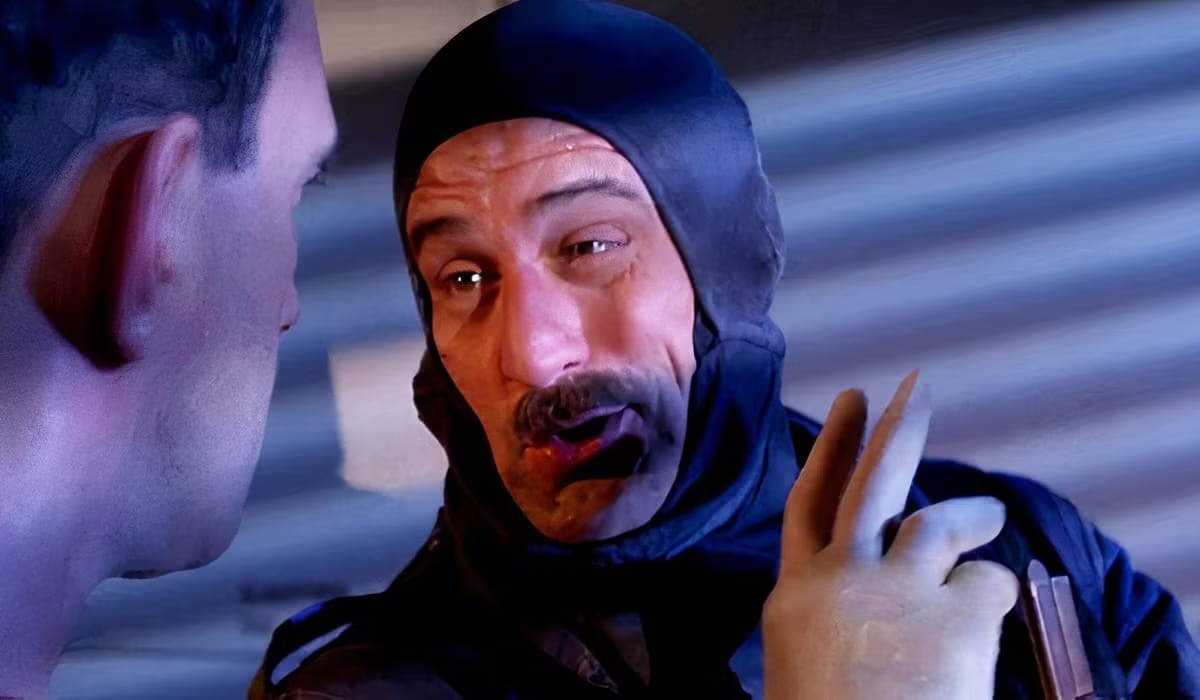
In a surveillance society, hiding in plain sight is better than going off-grid. It is why thieves pretend to be gardeners or the pool man or tradespeople in nondescript vans. It is how Agatha Christie's Miss Marple and G.K. Chesterton's Father Brown solved crimes. In the 1985 film Terry Gilliam's Brazil, Harry Tuttle (played by Robert De Niro) is a heating technician and plumber who manages to go anywhere and everywhere unnoticed. How to be anonymous and invisible? That's the challenge.