Mumbai: city of illusions?


Being born in Mumbai, I inherited the syntax of its distinct vocabulary. The undulant range of people as vibrant as the thrum of the Arabian Sea, smells of mogra, gulab, and champa from Dadar market, and songs of fisherman as Marine Drive gleams with the first light of dawning.
― Sneha Subramanian Kanta
Mumbai is sometimes called Maya Nagari "(City of Illusions") because of the extreme contrast between the wealthy, many of whom are associated with Bollywood, and the poor, especially those in the overcrowded slums like Dharavi, which features in Slumdog Millionaire. But the illusions could also be applied to the Mumbai's current transportation networks.
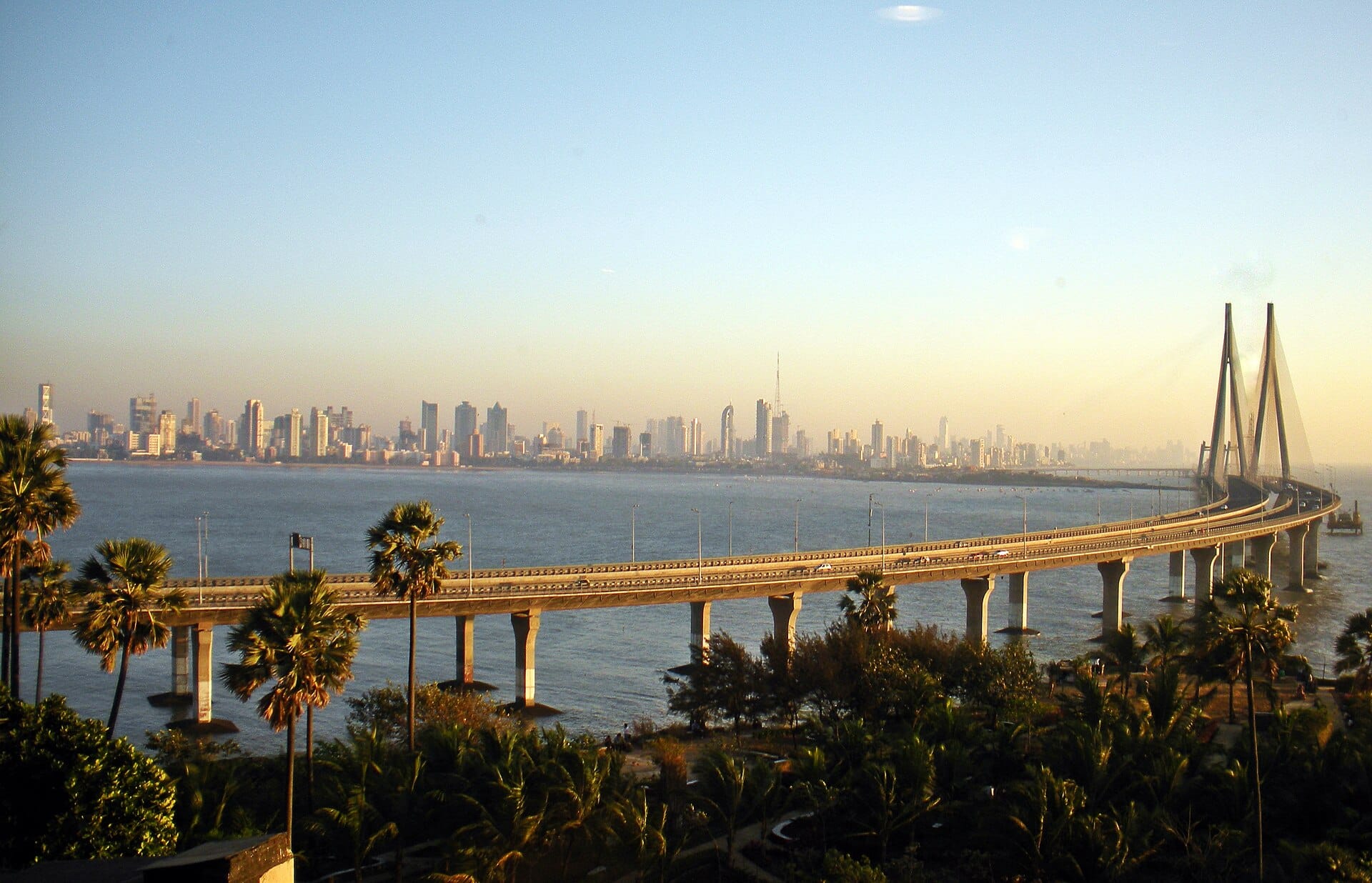
Mumbai recently finished another part of a coastal freeway for the rich and famous, but it still has a long way to go to lower prices and make it simpler to transfer within the extensive train, metro and monorail system that everybody else uses to get around. Generally, though, things seem to be improving with more transit interchanges coming, and stricter rules for cars and congestion pricing seem to be on the horizon.
On the other hand, it all may be an illusion, because climate change is projected to inundate more than 10% of the city by 2040 and that will undoubtedly affect underground stations. Originally, Mumbai consisted of seven islands. Not any more - and much of that land is low-lying. Land reclamation for housing developments has made much of the city vulnerable to flooding, especially in monsoon season, which was made much worse by a decision to remove coastal mangroves. The record flooding was in 2005 when 944 mm (37.2 inches) of rainfall fell in 24 hours!
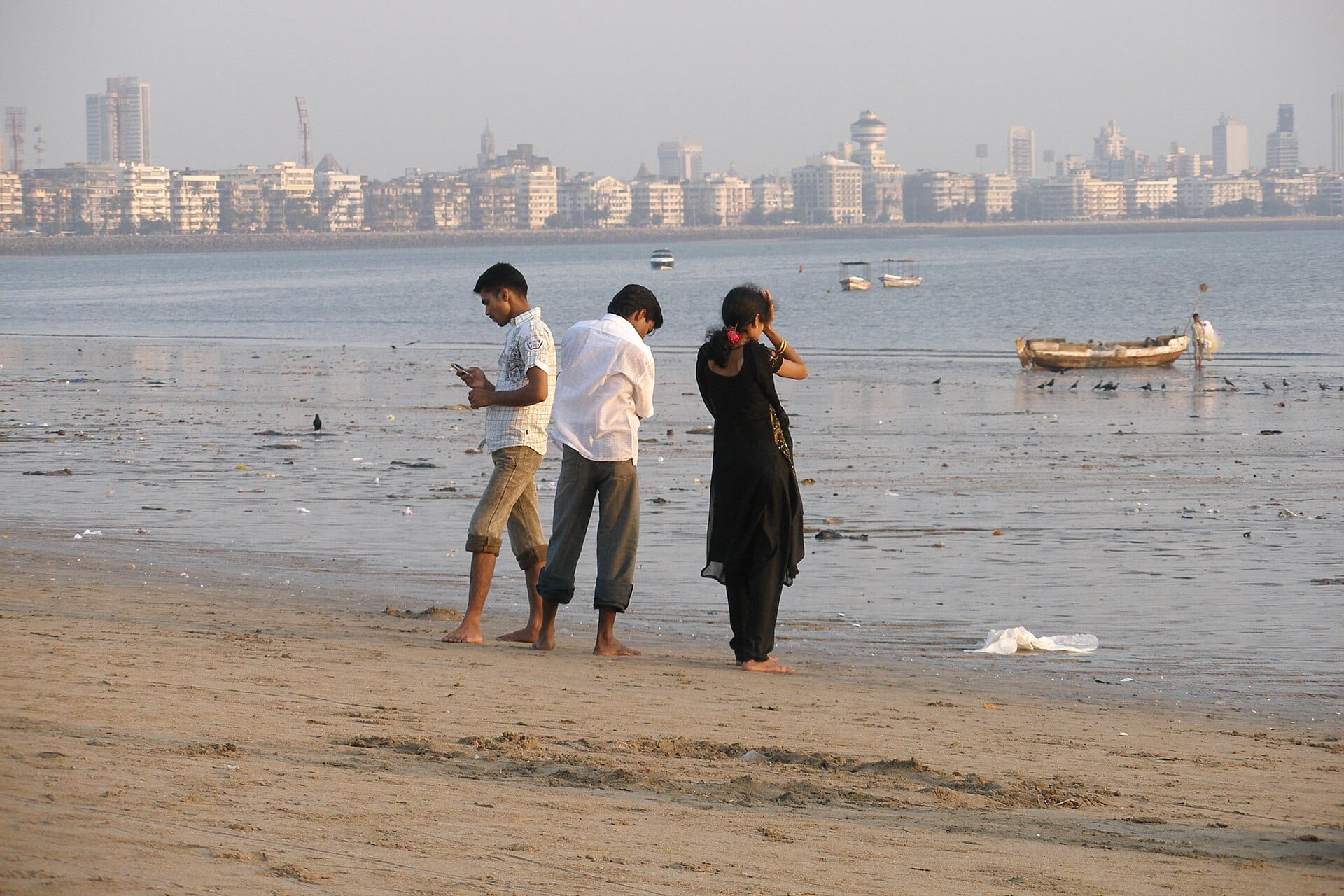
The contrast is also reflected in Mumbai's famous beaches, where relaxing and watching the sun go down is a valued cultural tradition. But, freeways now spoil some of the views and limit access to these beaches, which are under additional threat from rising sea levels. Above is Girgaum Chowpatty on a quiet day, close to Malabar Hill.
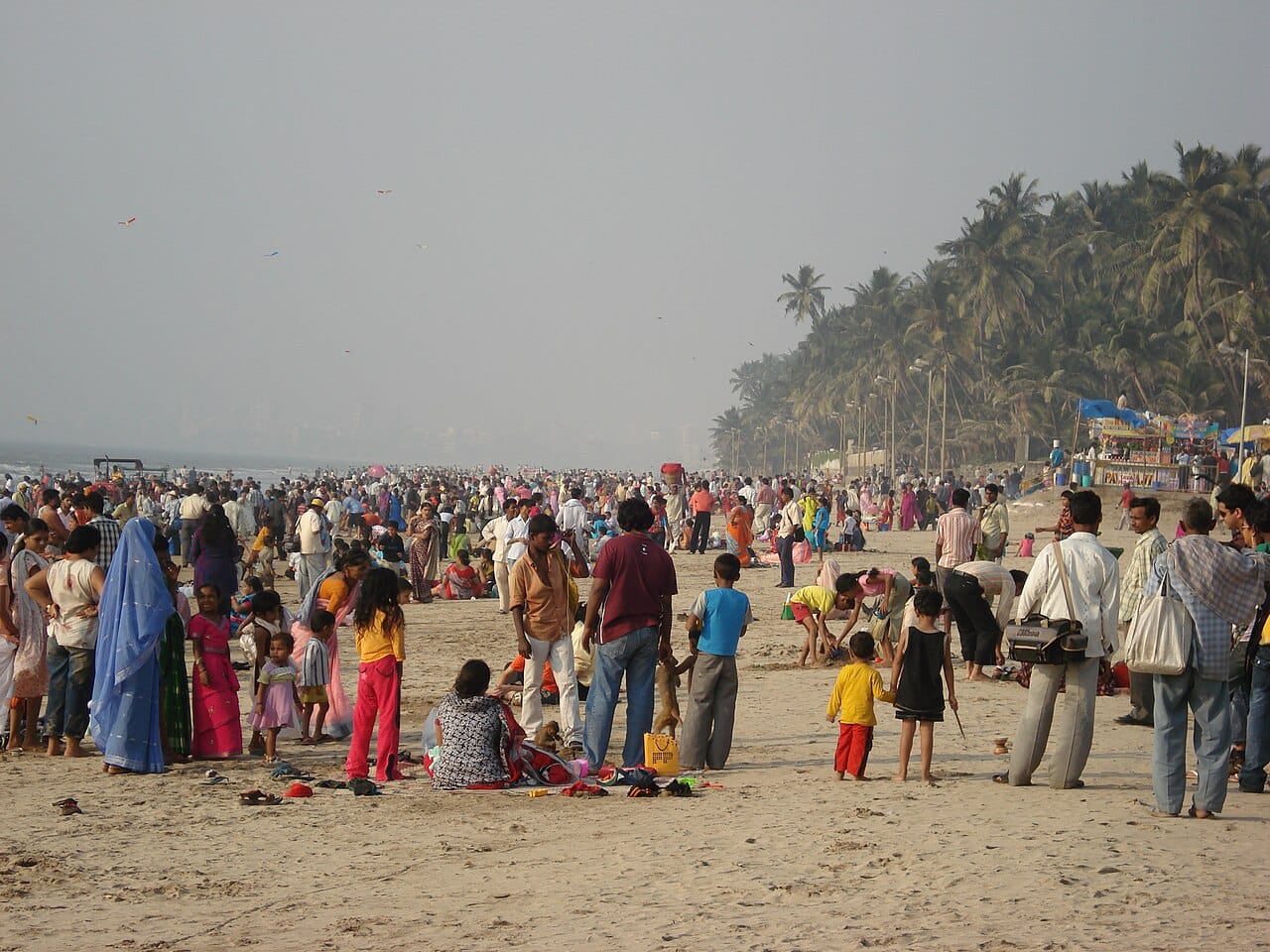
Juhu is the city's other most famous beach, further north and closer to where the Bollywood celebrities live (in Pali Hill and Bandra); it's shown below on a busy day. Gandhi lived near here when he was a practicing lawyer. Juhu is at even greater risk from rising sea levels than Mumbai's other beaches.
But enough with the pessimism. Mumbai is also known for its vibrant cultural life - religious festivals, markets, street food, music and movies. And then there is the lovely historic and colonial-era architecture - for being known once as Bombay. "We lived in Bombay and we lived in Mumbai and sometimes, I lived in both of them at the same time," writes Suketu Mehta (in Maximum City). Or, in a popular Bollywood song, Kavita Seth in Iktara says: "में तो किसी की हो के, ये भी न जानी रुत है ये दो पल की या रहेगी सदा, किसे है पता?"
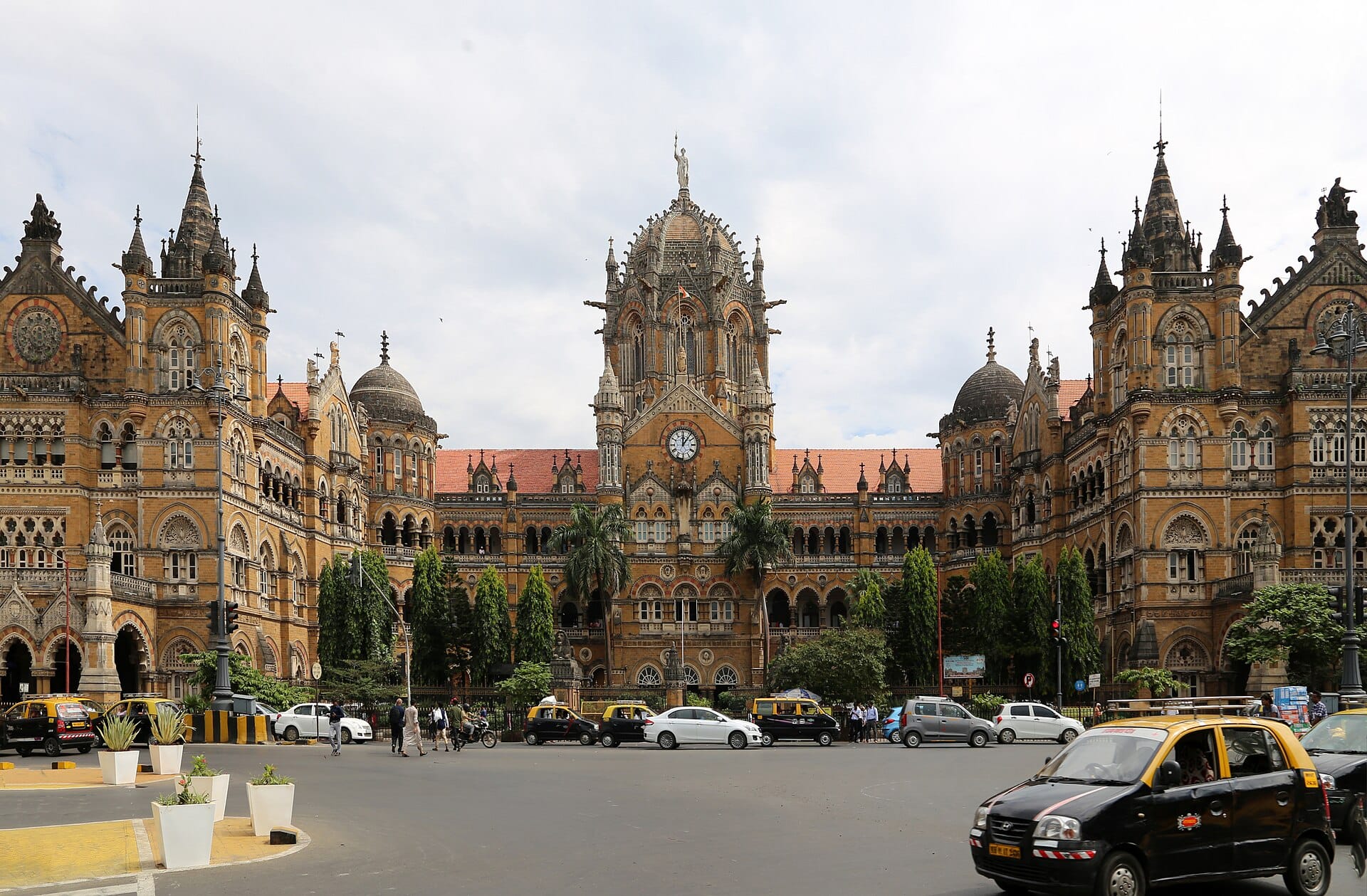
While the Gateway of India and Marine Drive ("the Queen's Necklace") get more attention as "iconic Mumbai," other sites nearby make up the UNESCO World Heritage Site Victorian Gothic and Art Deco Ensembles of Mumbai and there's the ornate train station Chhatrapati Shivaji Terminus (formerly Victoria Terminus), which has been described as "Indo-Gothic," and which was the site of the 2008 Mumbai attacks:
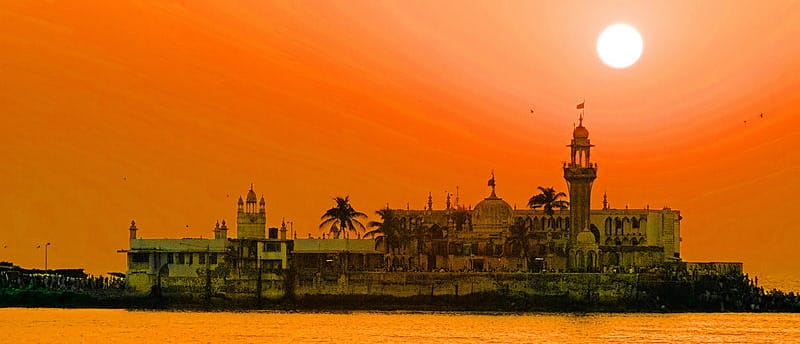
Further back in time, there is also the Sufi shrine Haji Ali Dargah - shown below. It dates back to 1431 and can only be reached at low tide.
'Salaam Bombay' didn't put a halo on the poor. Instead, it said that they will teach us how to live. - Mira Nair