Circe in paintings

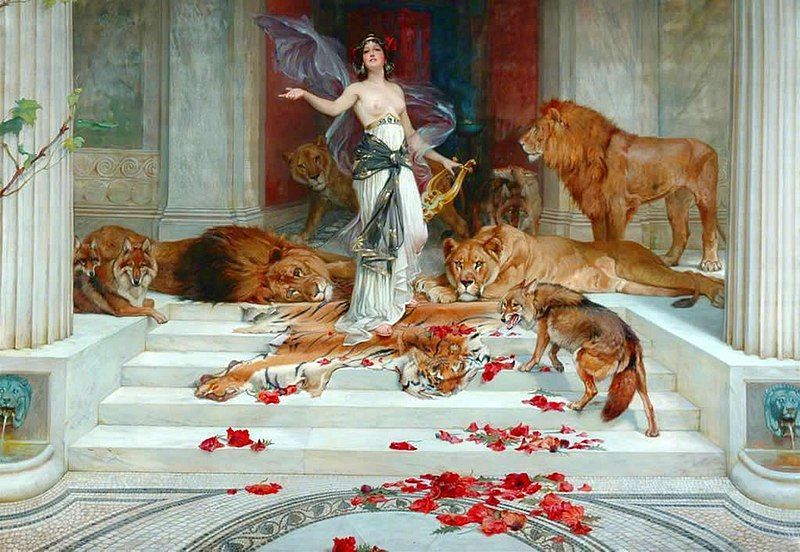
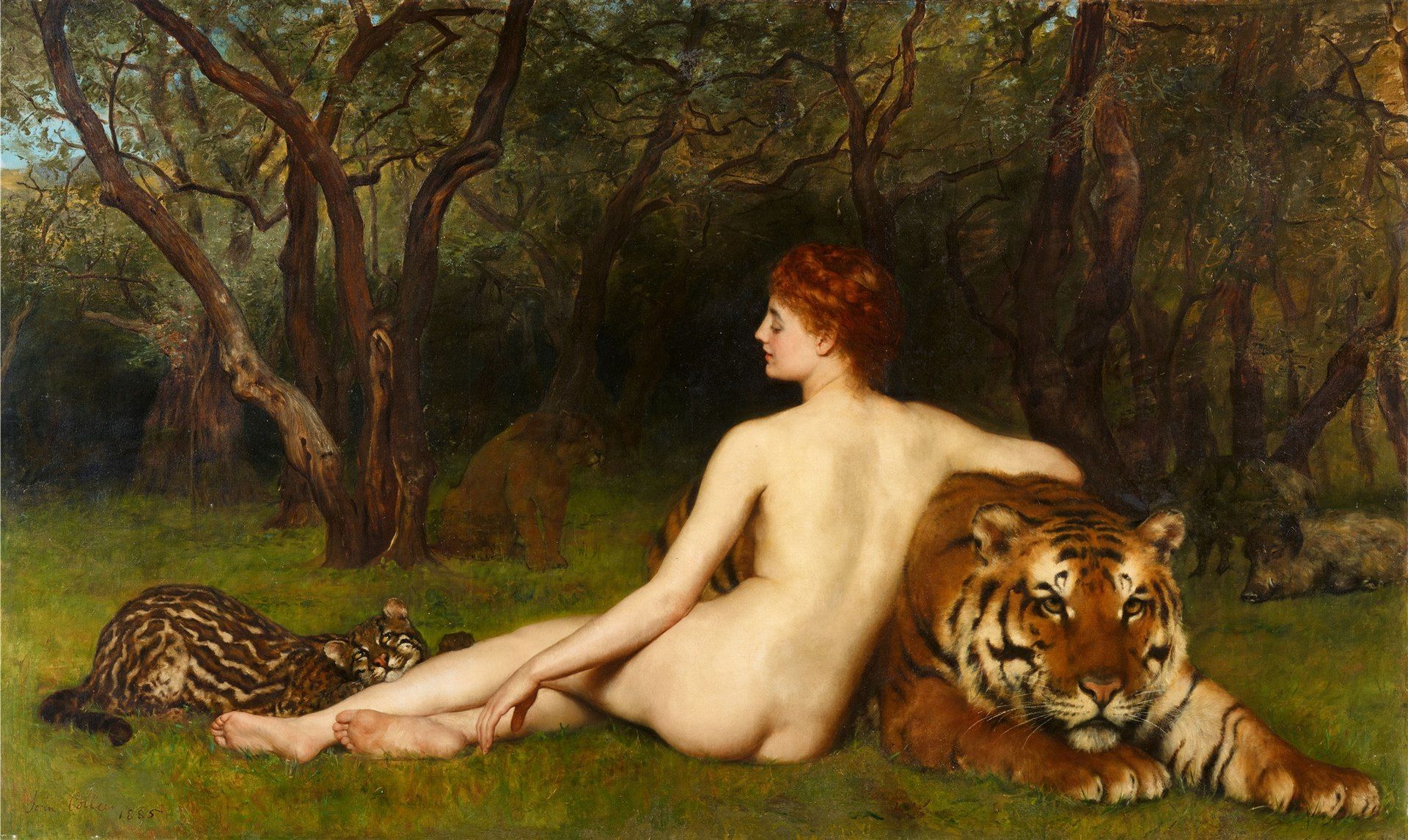
There are a lot of paintings, drawings and engravings of Circe. But, why do so many English paintings of Circe in the mid-to-late 19th Century feature lions and wolves, not pigs, which is what Odysseus' crew were turned into? Wright Barker (above) mostly painted rural and sporting scenes - dogs, hunting, horses, cattle, landscapes - so the lions and wolves above are a bit more exotic for him. Maybe he never read the Odyssey, although certainly Circe may have had lions and wolves lying around. Perhaps he was influenced by John Collier in this even more ridiculous painting?
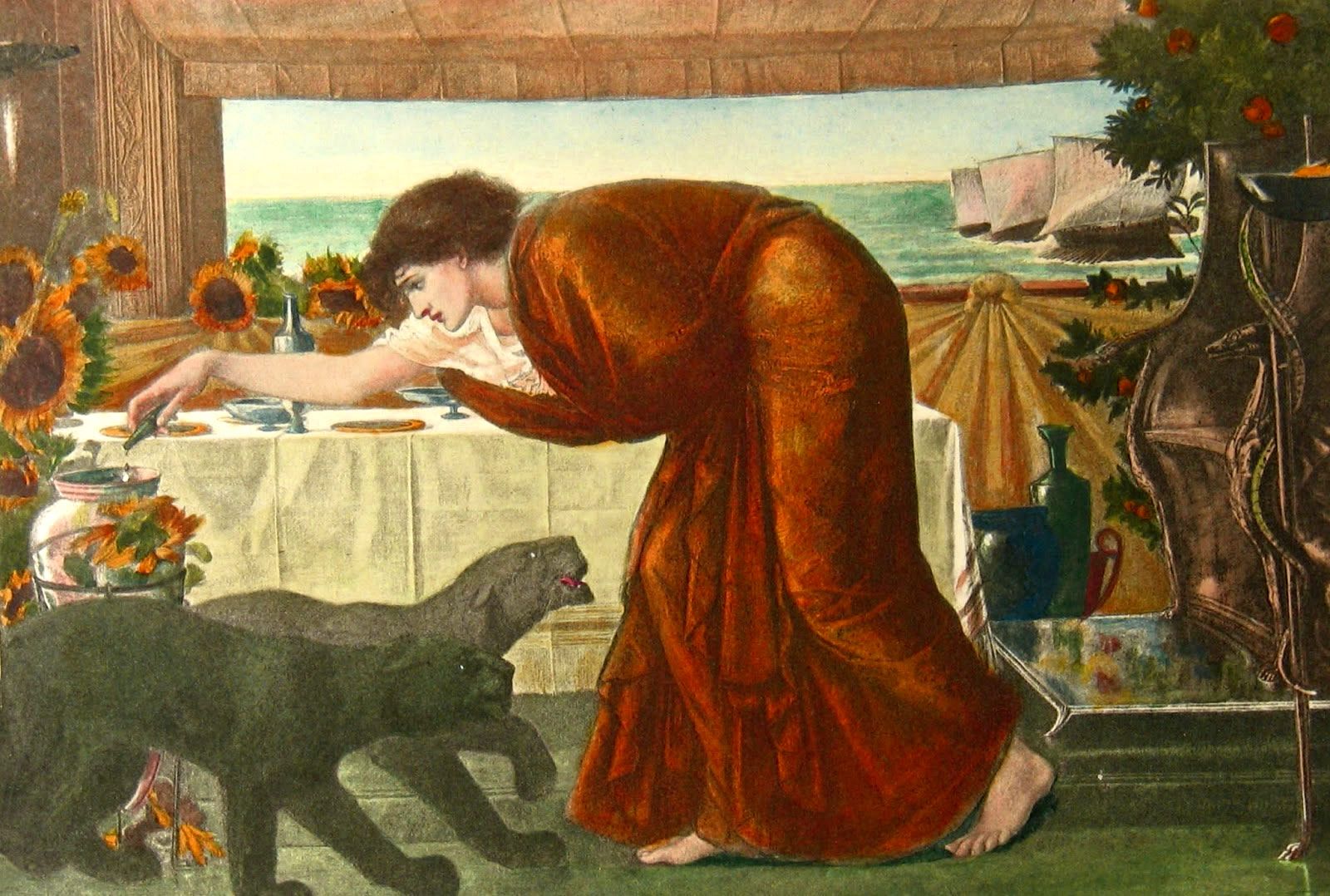
Or Edward Burne-Jones' earlier The Wine of Circe (1870) below.
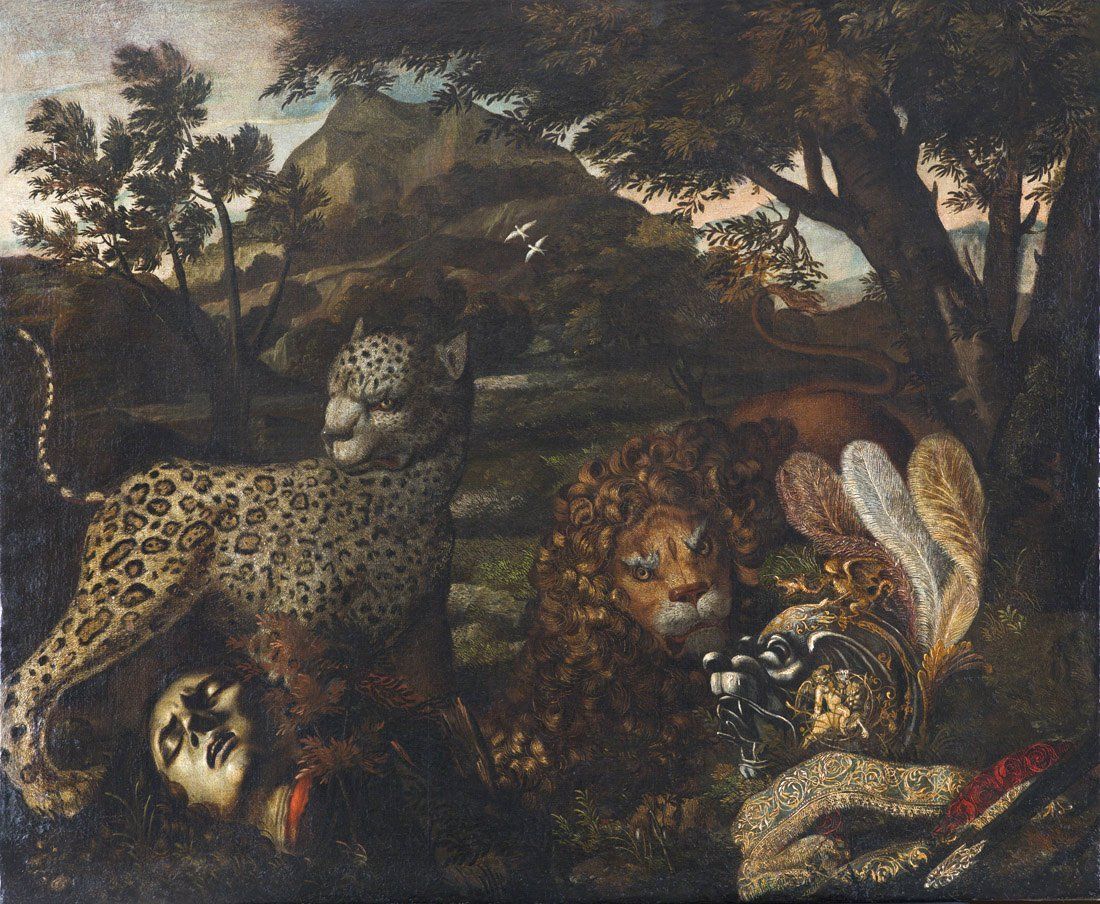
There were precedents though. This is The Kingdom of Sorceress Circe by Angel Caroselli (circa 1630).
The Circe paintings of John William Waterhouse are here.
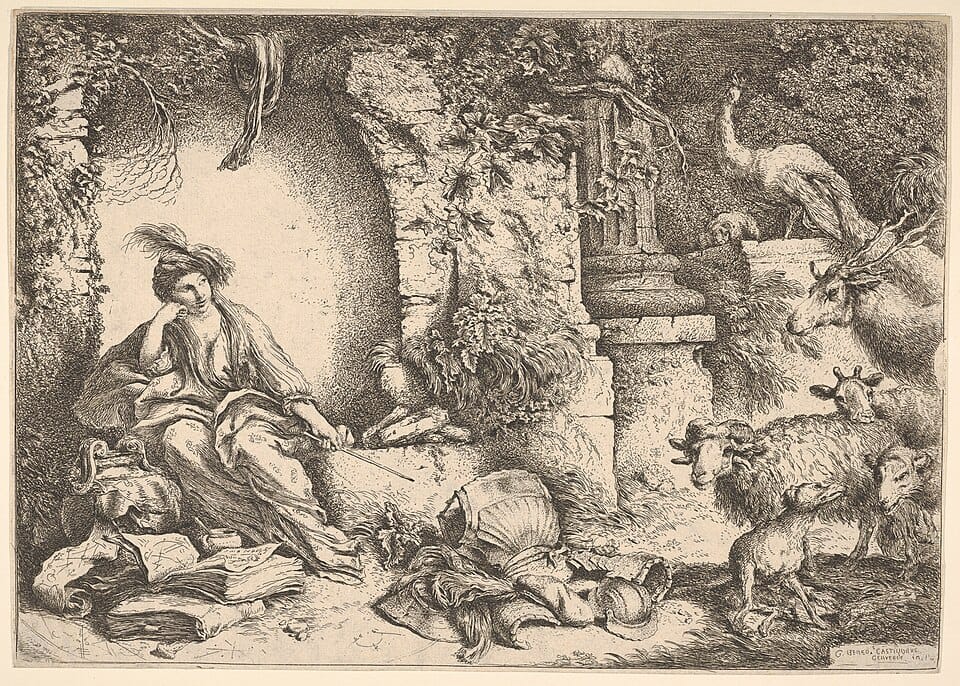
Pigs do appear in earlier paintings and engravings though, like this one by Genoese artist Giovanni Castiglione from 1650:
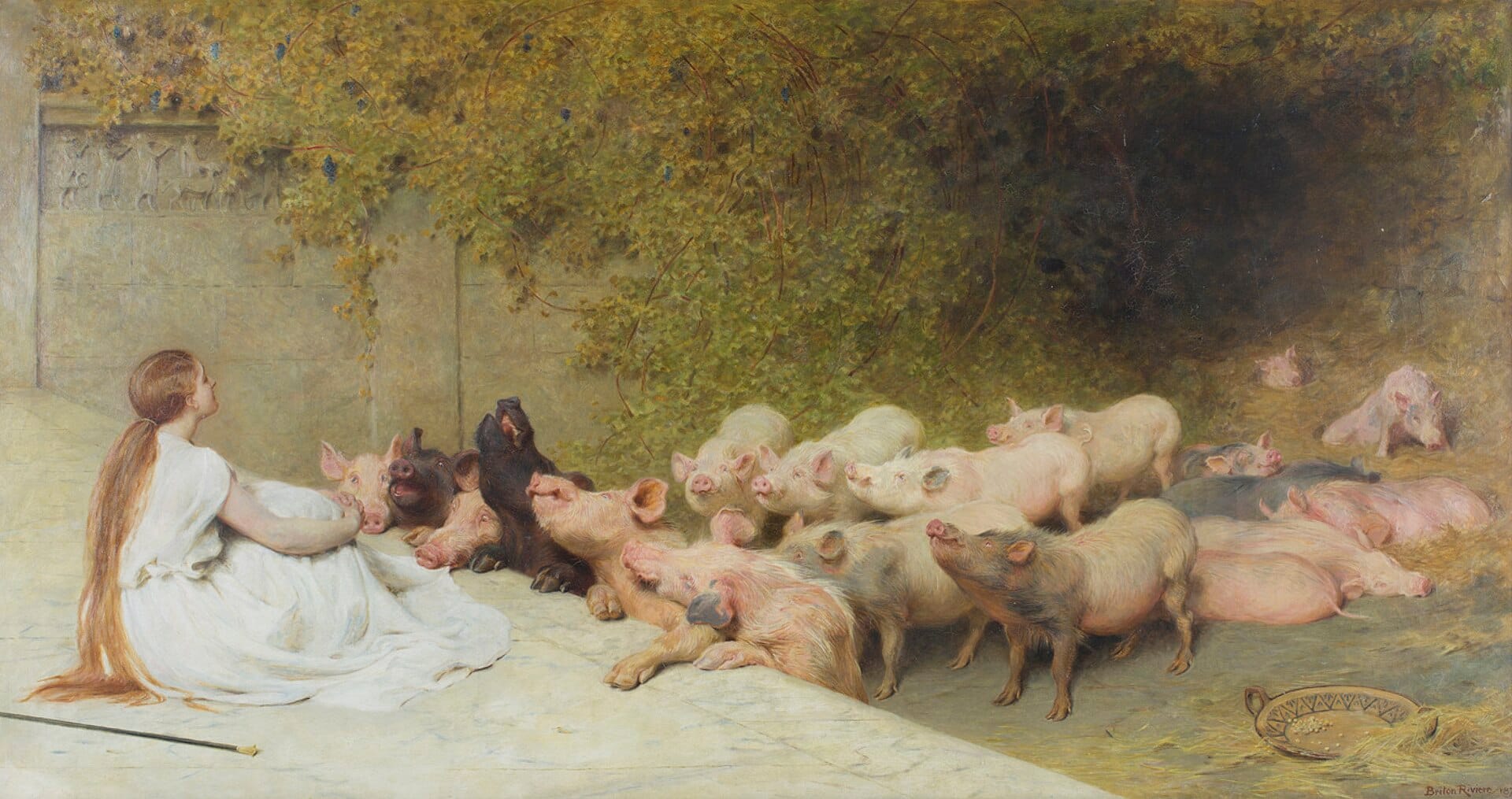
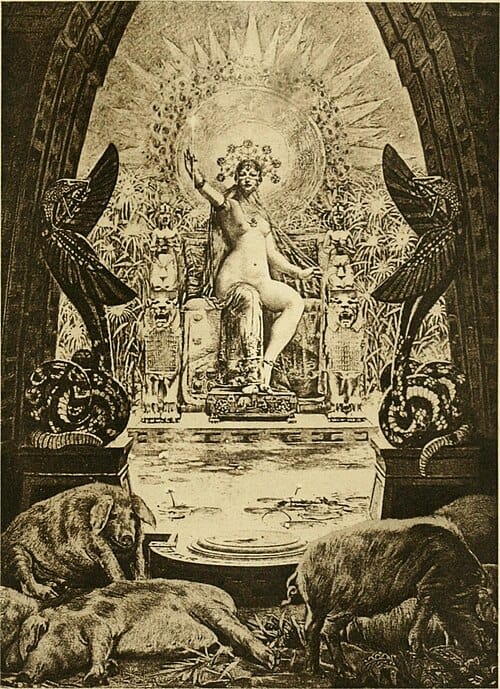
The pigs were certainly back by the 1890's:
I am surprised that Spiritualists of various kinds didn't make more use of Circe around this time, but this book did in 1899:
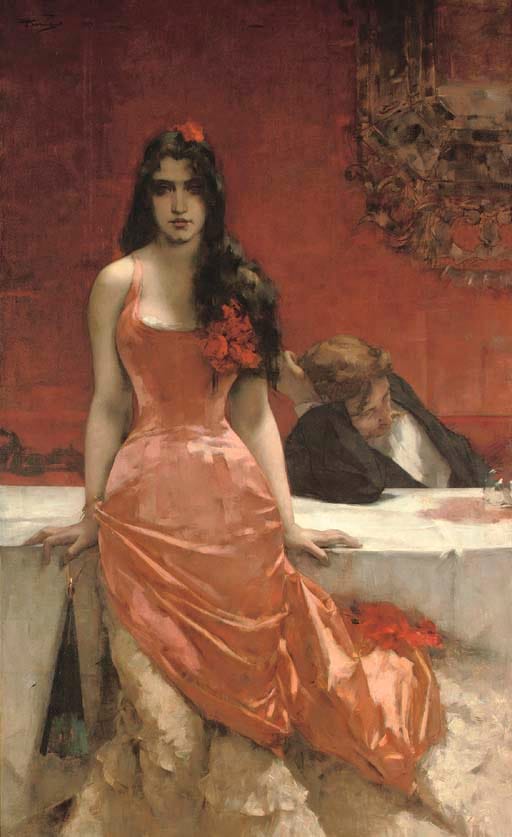
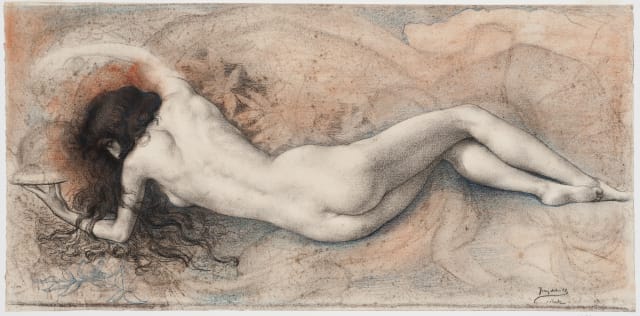
Belgian painters dispensed with all of that. Charles Hermans' Circe the temptress in 1880-81 could be almost any woman the painter admired. Below that is Symbolist painter Jean Delville's drawing Circee from 1893.