Why do U.K. towns have no trees in their high streets and public squares?

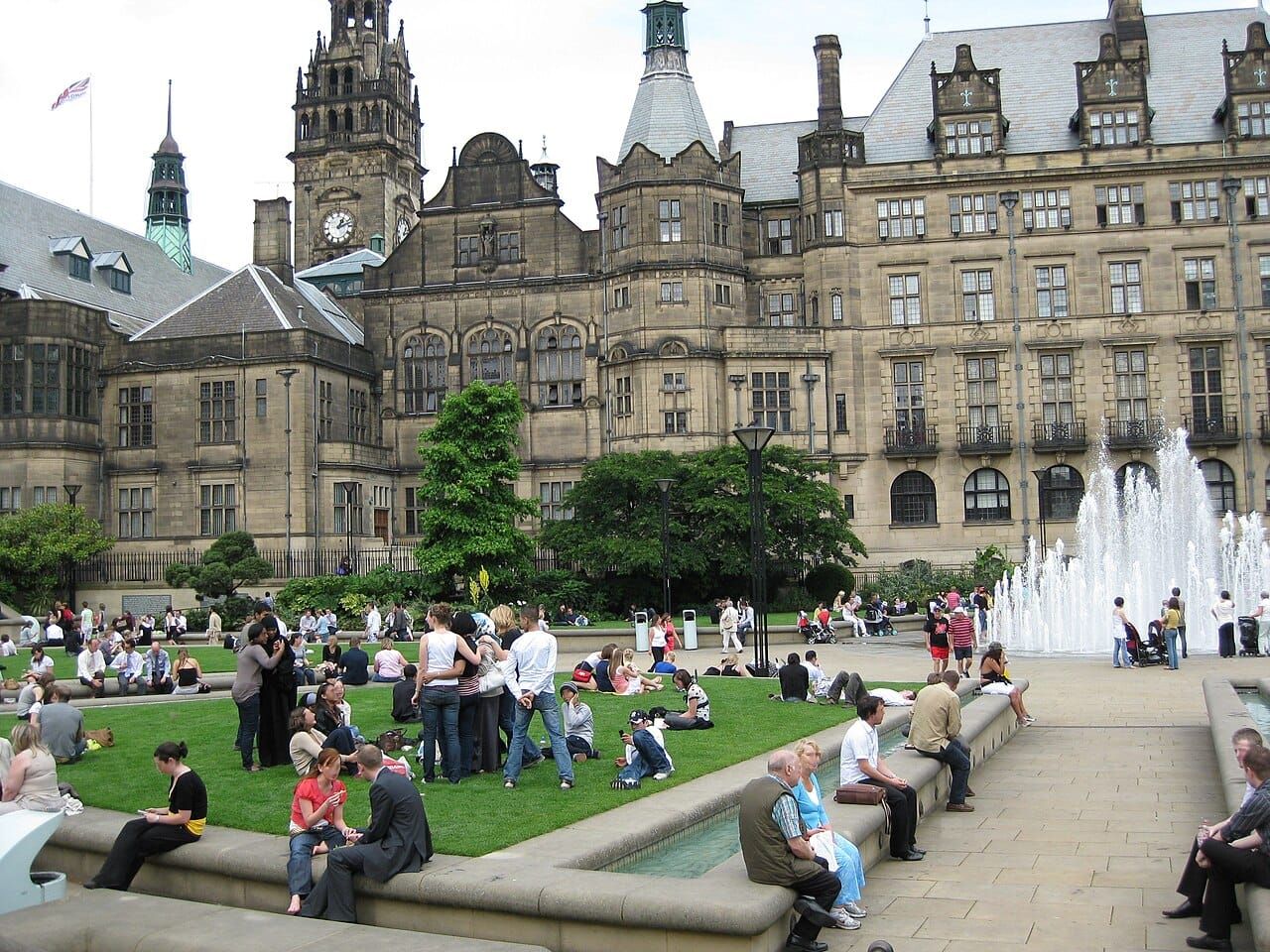
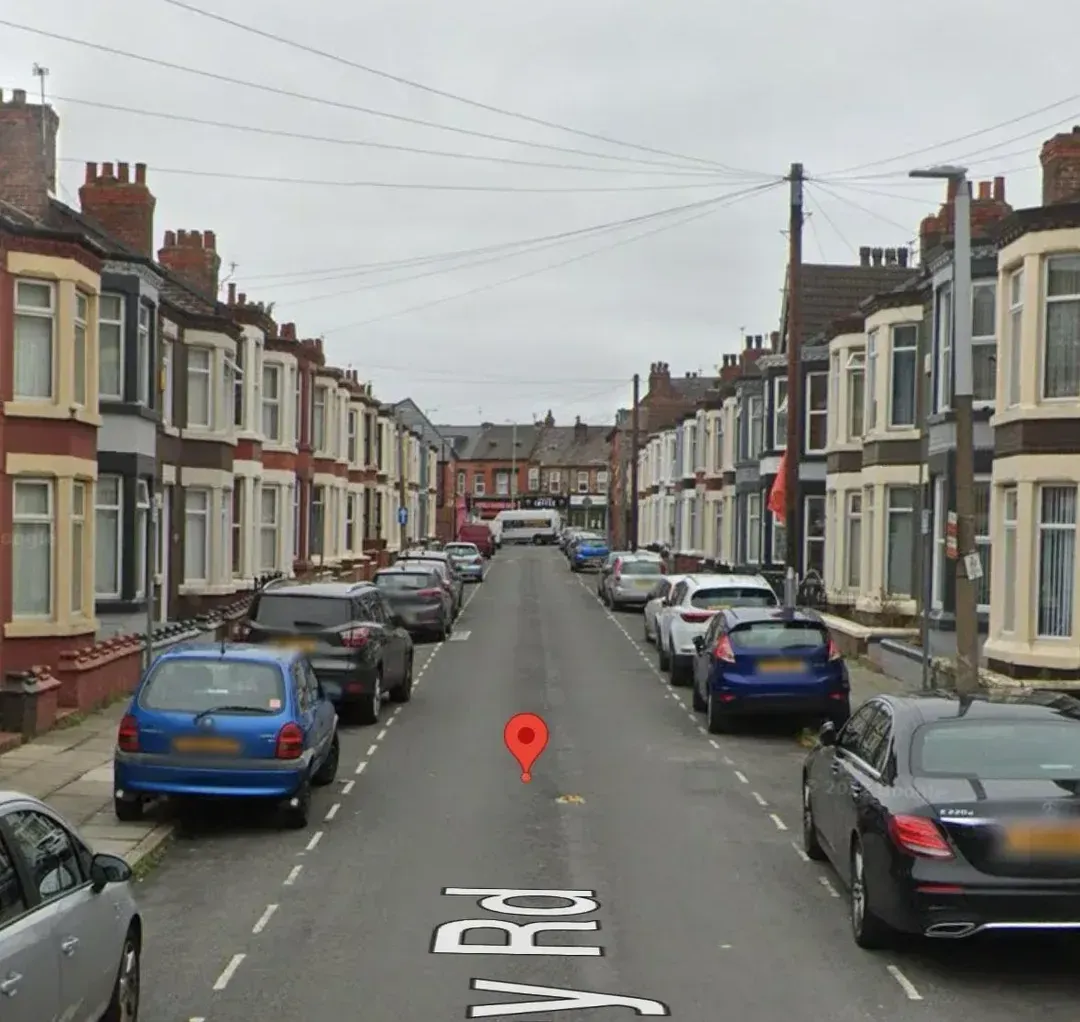
Go to any town in the U.K. and walk around their pedestrian areas where the shops are and you won't find many trees or shrubs or flower beds. Why? In many residential areas around the city centers, there are no trees there either; those spaces are reserved for parked cars. Look at the photo above: people are starved for relaxing green space and, as the climate heats up, I would think trees would come in handy. To be fair, many European cities and towns don't have a lot of trees either, but 96% of U.K. cities fall below the European average for tree canopy (source: (ECIU).
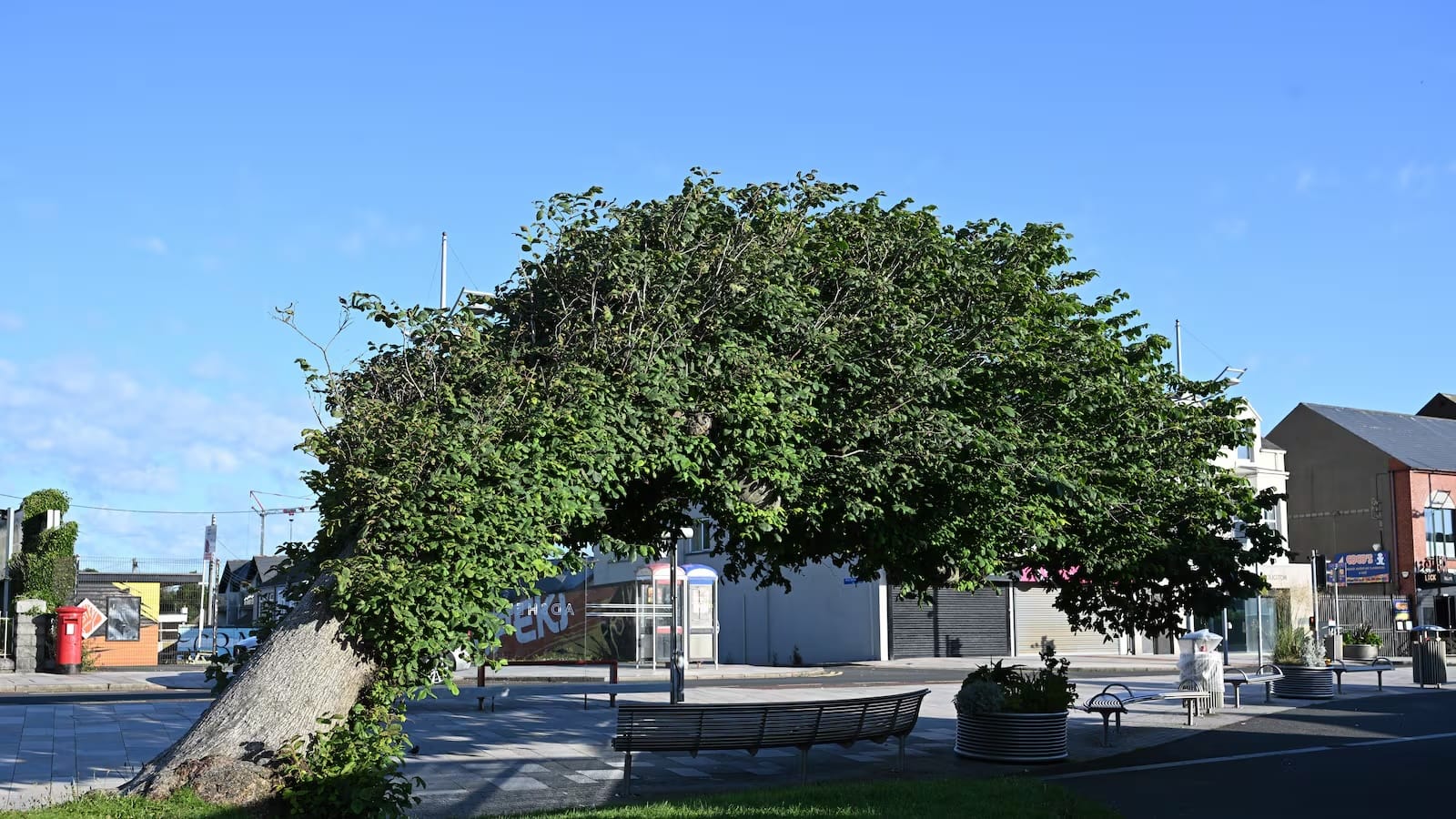
As I write this, the Bendy Elm in County Down has won U.K. Tree of the Year (selected by The U.K. Woodland Trust). Yay! Also, the U.K. government has announced a Community Trees Fund that is supposed to deliver 500,000 trees across England by 2030. More of this please!
That photo up top is in Sheffield, which is recognized by some as the U.K.’s greenest city overall with the most trees per person. It is one of many cities belatedly making an effort to make itself more attractive. But, its city center still reflects its industrial heritage and just a block away is this (below), which could be in any U.K. city back street. You know what would help here? Some trees and shrubs and some flower beds, not those little boxes in the foreground! Can't afford it? Enlist enthusiastic volunteers and do a Todmorden!
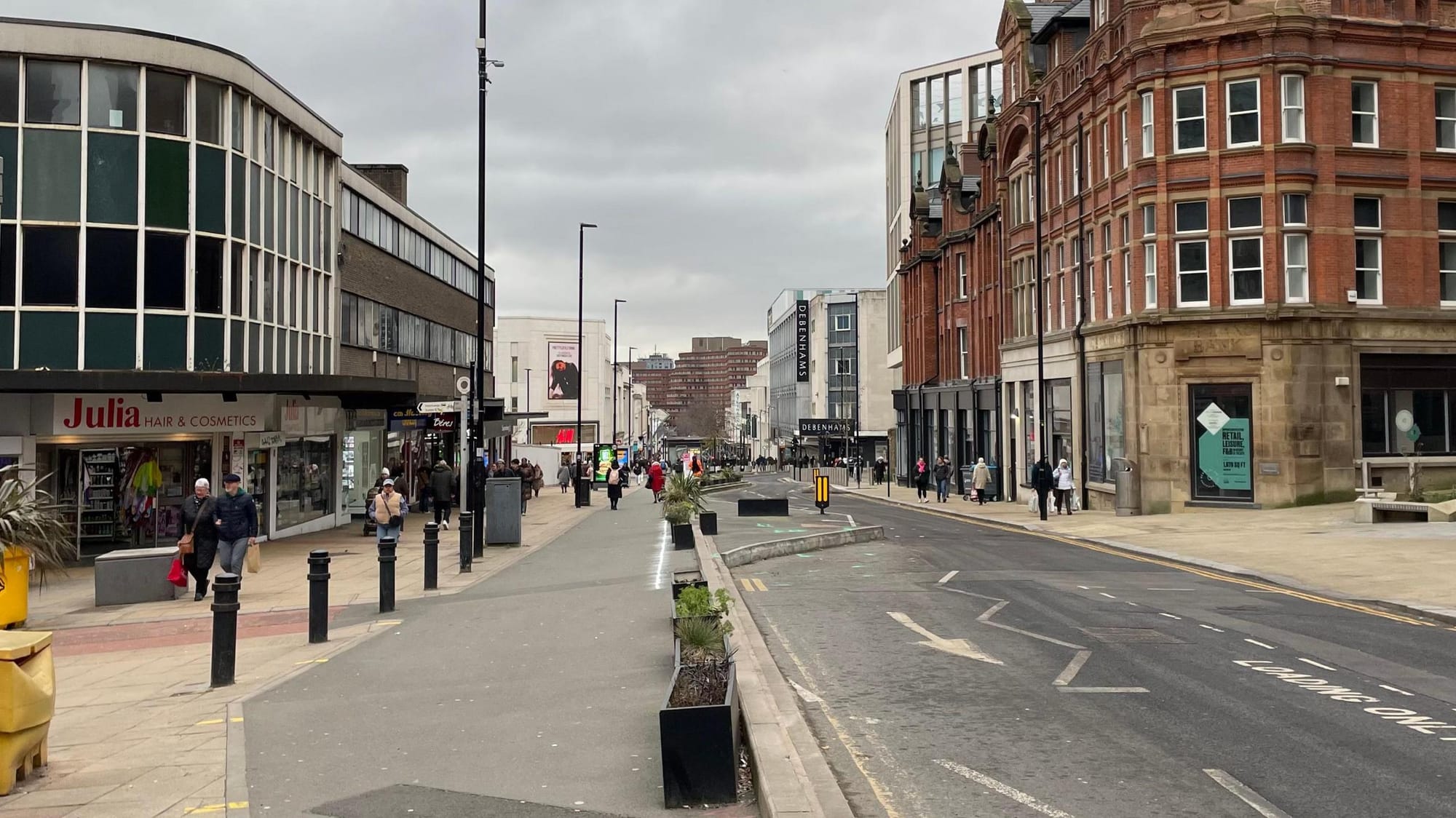
Unlike their European counterparts, U.K. "high streets" have never had trees. There are some valid historical reasons for this: they are usually based on narrow medieval alleys (e.g. Winchester, York, Brighton) or industrial age streets with high density tenement buildings (Manchester, Glasgow), and there was no modernization till the pedestrianization movement in the 1960's and 1970's (with still no trees), and there are utility lines running under the streets. But, these are just excuses for not putting in hanging boxes and planter boxes with flowerbeds. And just look at the residential areas!
This always surprises foreign visitors like me and there are numerous posts on Reddit wondering why people in the U.K. appear to hate trees. What has really hurt their towns and cities is the resistance to change by commercial interests and councils. Up till now, landlords and shopkeepers, like many of their counterparts elsewhere, fiercely resisted change, and councils went along with them. Trees are messy apparently, their roots create stumbling hazards, they would block the security cameras and get in the way of cars and delivery vans/bikes, and people across the street won't be able to see your shop, and maybe the trees will damage the foundations. The complaining never ends. Nothing will persuade them that this has worked successfully elsewhere. Like in Europe!
Really, can you even hate shopping boulevards in Europe where people stroll leisurely beneath the trees and hang out in outdoor cafes, where families are welcome and most do browse shopping? By contrast, U.K. towns are transactional rather than social places: buy what you need and get out. Or get drunk. Apparently people want this (below):
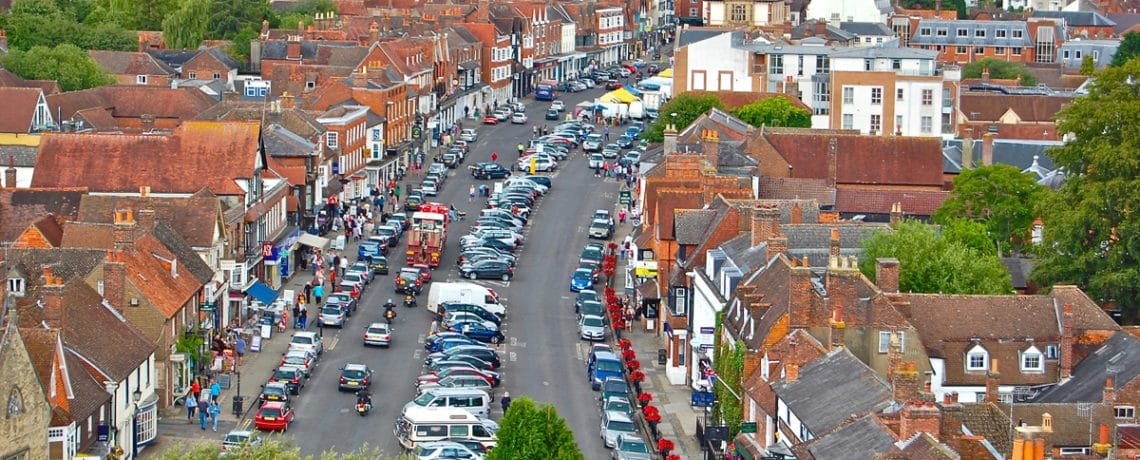
That photo is Marlborough's High Street, which was voted Britain's #1 High Street by readers of The Times in 2024. Really? I mean I know it's Times readers but still! All those cars, no trees... Judging by the surveys I have read, there are many members of the public who like it this way. Reform UK voters are particularly likely to feel their local high street is in bad shape, yet every study I read on this says they want indoor shopping centers and convenient parking spaces for their cars. Why aren't they supporting public transport, park and ride, and getting involved in planting and maintaining trees, hanging baskets and planter boxes and limiting the cars that enter the center of town?
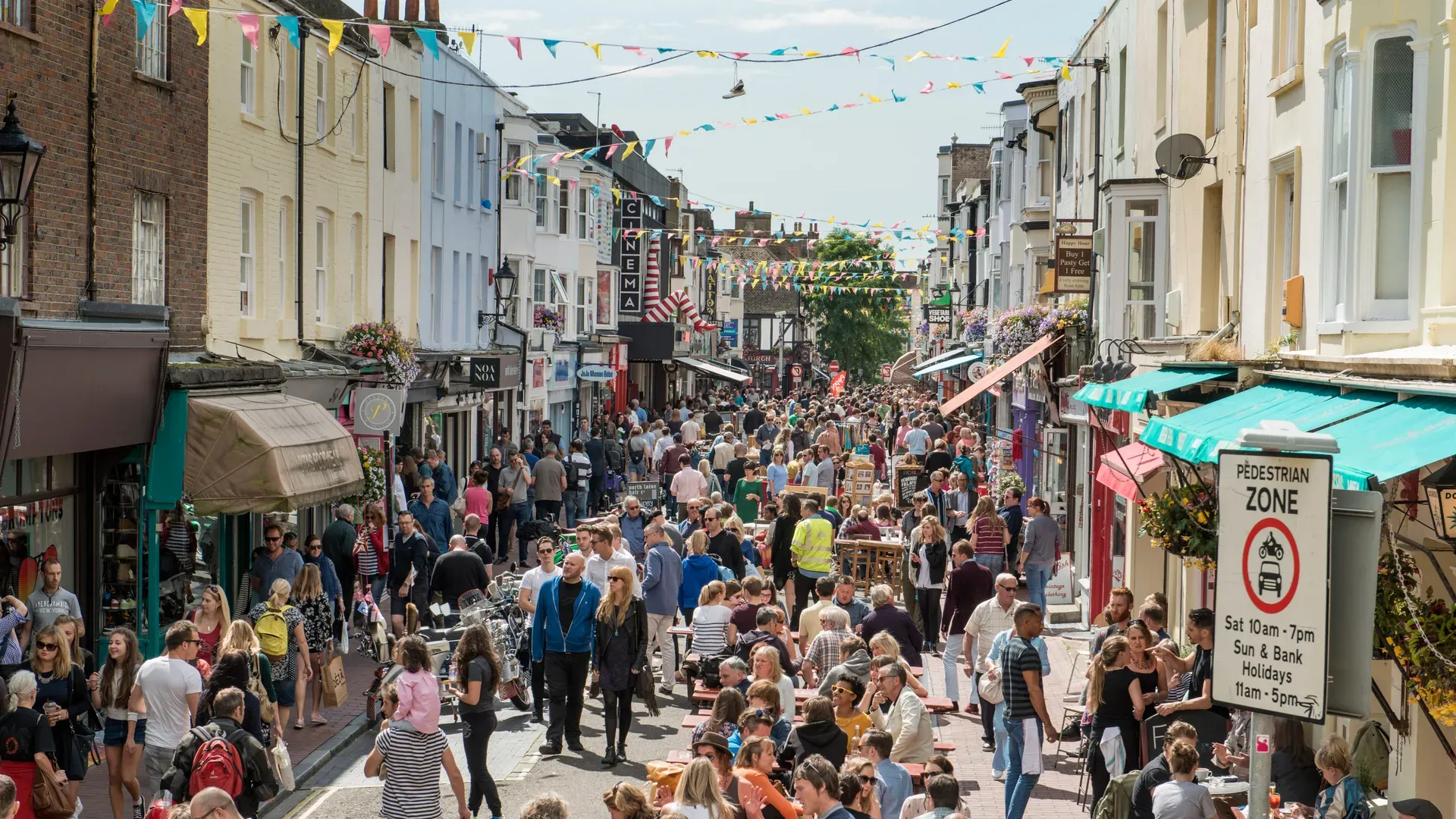
Guess who represents Clacton-on-Sea in Essex, which the Woodland Trust Tree Equity data identified as the worst urban tree canopy in the U.K.? Nigel Farage. It sort of fits: no wonder the town is in trouble. He should go plant some trees. Now, I accept that there isn't always room. Look at Brighton on a weekend (below). This certainly confirms that people want pedestrian areas, but why not ban all but service vehicles the rest of the week and put in a few shrubs?
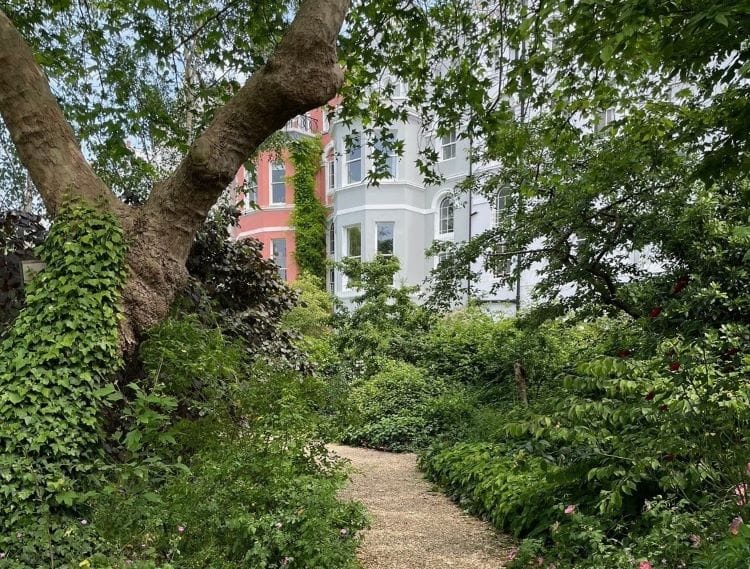
U.K. town planners have long thought street trees are messy or a legal liability. Who rakes the leaves? What if someone slips? We need concrete everywhere! Keep those trees locked up in parks (Cardiff, Liverpool, Dundee, etc.). Back in the day, the rich didn't think the public should have access to trees at all, so they kept the trees inside fences in private gardens, while shopping areas were entirely paved over. Seen the film Notting Hill? Rosmead Gardens in London, where that last scene was shot, is a strictly private communal garden reserved for residents only. No riff-raff.
Exceptions? There aren't many. There is part of Cheltenham Promenade in Gloucestershire (shown below), which may have justified trees on the grounds of restoring its original good looks as an old spa town with regency glamor, and Lord Street in Southport near Liverpool looks good. But elsewhere, if there is a nice tree-lined pedestrian area, it's tucked away in a quieter area, like Kingsmead Square in Bath, the back streets of Rye in Sussex. I'm struggling to come up with many more, because I discount picturesque small towns when there are cars roaring past. But I've read that Manchester, Leeds, Doncaster, Cardiff and Shrewsbury (among others) have grand plans to plant a lot more trees and have started already. Why did it take so long and will they plant them in the shopping districts?

I would think that cities and towns should prioritize making city centers attractive to residents, and residents appear to be coming around to the idea of adding trees, shrubs and flower beds and getting involved in maintaining them. Visitor appeal will follow.