Crowds and violence: football as a barometer of society

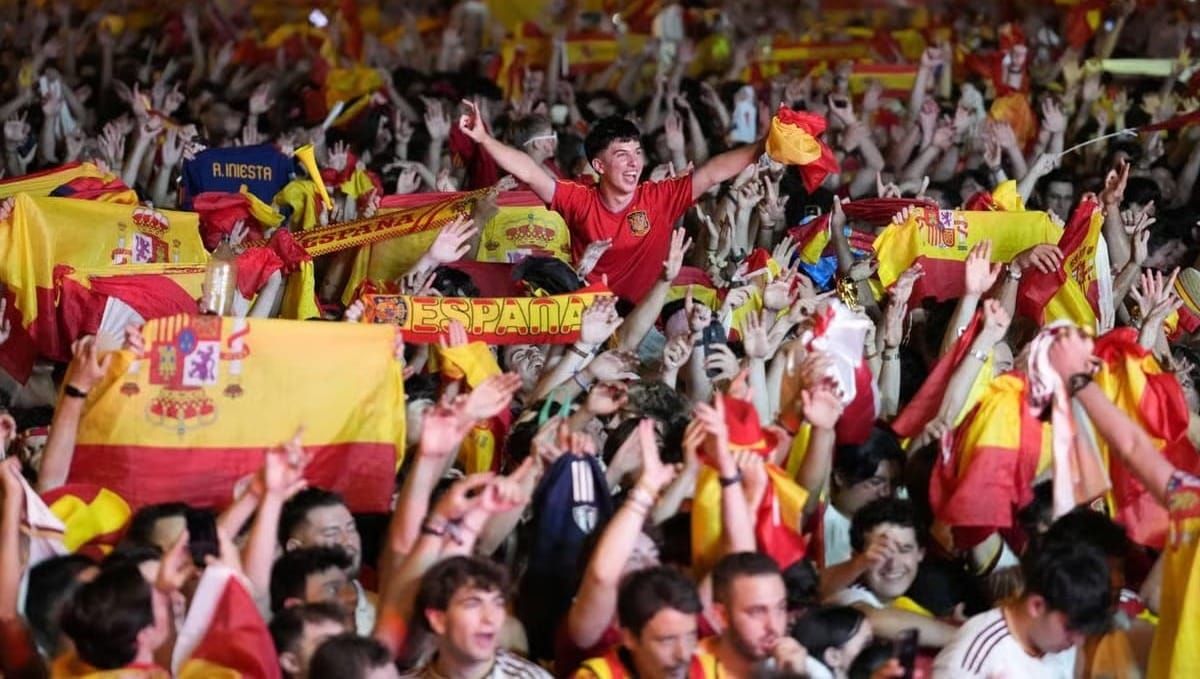
I enjoyed the World Cup this year, especially seeing Cabo Verde play - that Sidny Cabral equalizer! - and catching sight of fans and players embracing or in tears always moves me. And now it's over. Watching video of people celebrating in the public squares of Madrid and Barcelona reminds me of why people love football. It is inspiring and emotional, like being at a really great music festival. Notably, it was younger people out in the streets, with many of them women, and it was completely peaceful. People felt like they were part of something. Tribalism at its best.
But, I also remember being in Marseilles when France won the World Cup in 2018 and the mood down by the port was so electrically charged, it was like the moments before a severe thunderstorm and eventually there was violence, riot police and tear gas. Why? This is really the question I am asking in this post, because I am fascinated by how that "electricity" is generated and why it explodes and not just in the context of football.
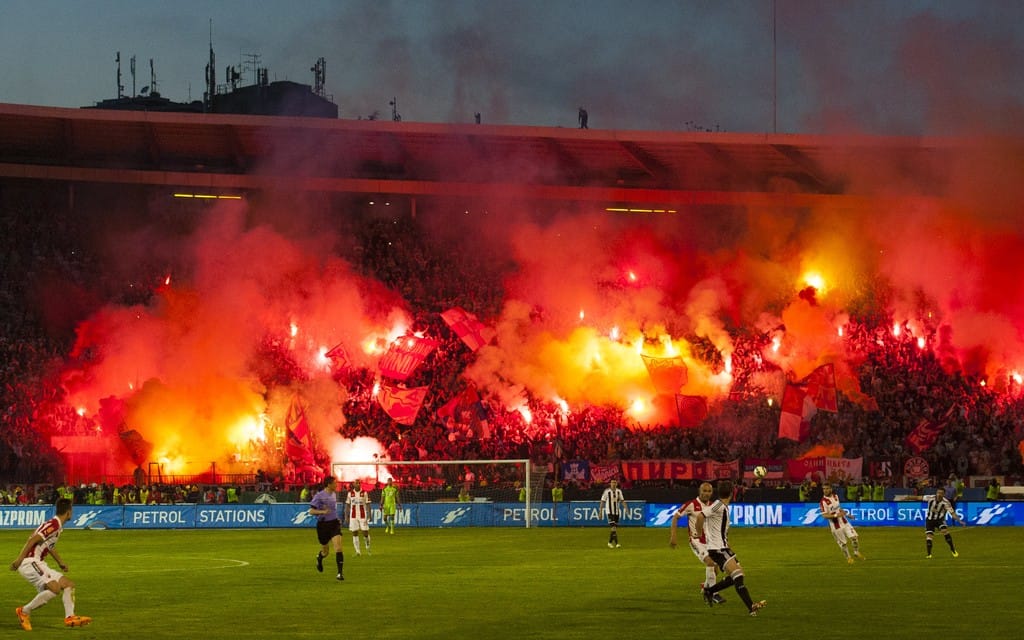
It seems to occur whether a sports team wins or loses and it seems to be associated more with men, especially young men. It has been argued that the reason for football hooliganism is because the fans grow angry at the stadium experience (like when they are penned in like sheep, as in the Belgrade photo above), by corporate owners who are only interested in TV ratings and avoiding lawsuits. I think that's right; the fans want to participate. They want to be the ones who create the atmospherics in the stadium (with flares, singing, colors, waves, etc.), and when they are frustrated, then seats get thrown, fireworks go off, and games get canceled. Nowadays, because of the clampdowns (more policing, higher ticket prices, CCTV, 5-year-bans) and distractions (ridiculous half-time shows), violence usually occurs more frequently outside the stadium or it moves online.
Yet, despite tons of sociological studies, we really have no definitive ideas why people are motivated to violence. I do think that violence (or the lack of it) reveals how well a society is managing its own sense of social wellbeing and its sense of social belonging. Football is a good barometer.
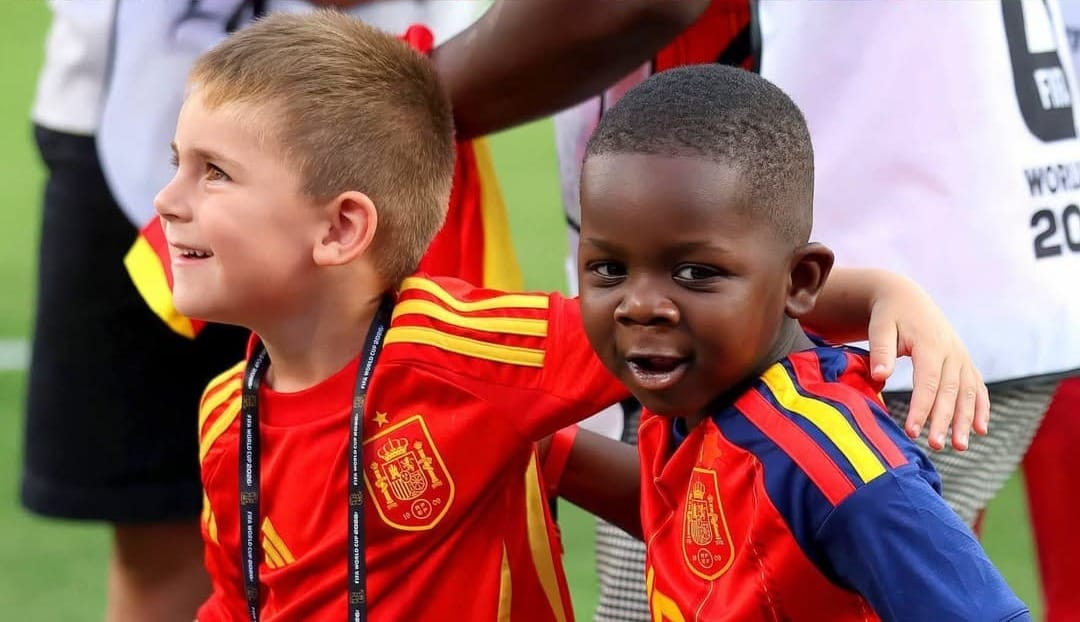
The barometer metaphor would suggest that Spanish people seem relatively happy these days (which is seemingly contradicted by surveys which place it quite low), but I agree with those who say that football is better wherever women (and people of color) have integrated the sport. The Spanish men's and women's teams are world champions, women have prominent roles as players, officials and fans, the stadium experiences are enjoyable family affairs, the Rubiales kiss was a breakthrough, and the media covers all this fairly. I realize this may just be anecdotal, but the mood in Spain seems to be healthy overall and not just because they won. I would add that football hooliganism is rare in officially "happy" countries like Denmark and Finland.
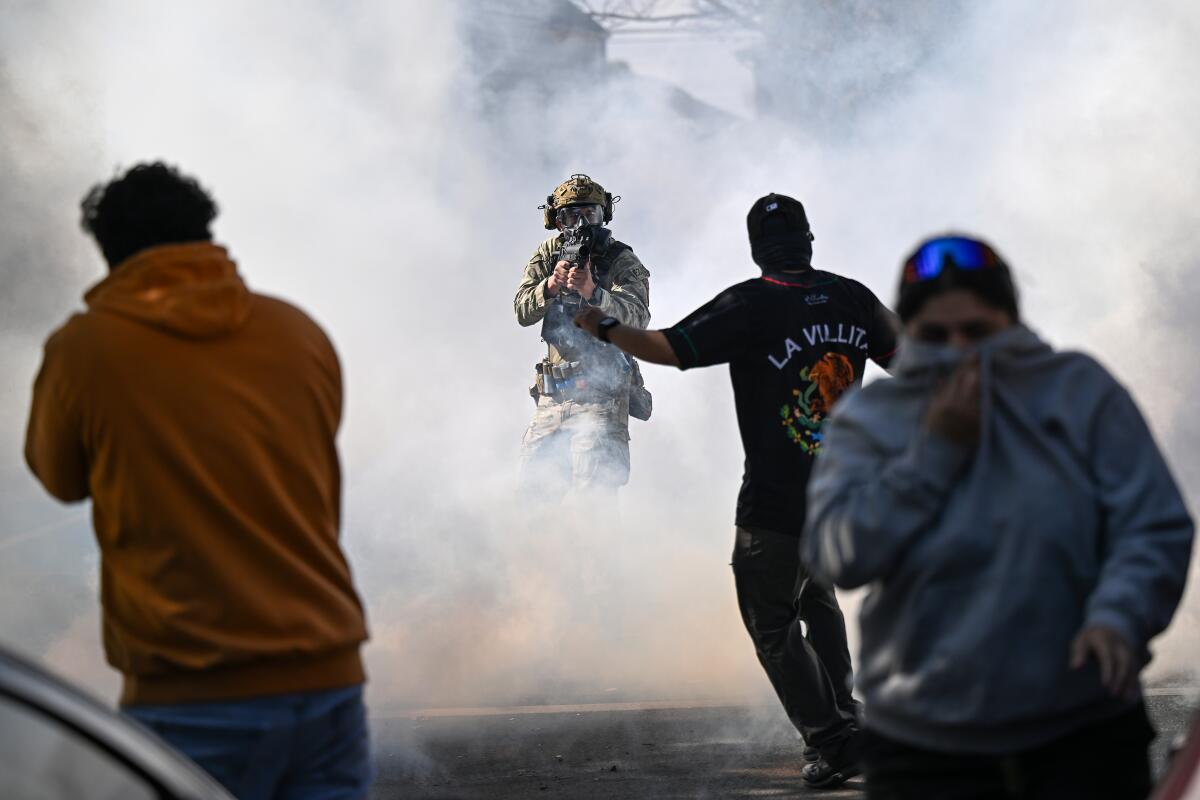
Conversely, when some teams and their fans are deeply racist (Beitar Jerusalem has to be the worst), or when brawls are planned and carried out, then it reflects a more disturbed and paranoid society. The exact same adrenaline-fueled dynamic can be found in antisocial and criminal mob behavior like drag racing and hunting ("coursing"), but it is most obvious when protesters and aggressive (mostly male) riot police/ICE/IDF face off against each other. It happens all over the world and provocation by the authorities is a predictable part of the game play. Where do you think this complete fail (below) occurred?
Whenever this crowd electricity does happen, like when I experienced it in Marseilles, it seems like random choreography. All it needs is a spark that lights some invisible adrenaline fuel in the air, laced with alcohol, and then after the violence a sharper new clarity can emerge. This phenomenon is not studied nearly enough and I don't understand it, even though I've felt it. It's not only driven by madness and primal fears (Elias Canetti), or the desire for spectacle and "fun" and carnival (Bakhtin, Baudrillard) or alienation from capitalist greed and authoritarianism (pretty much everybody else). It's all of these.
It's also not just hormones and masculinity either. Whether football violence is now on the rise or diminishing, the data is hopelessly contradictory. While stadium brawls do seem to be diminishing, pre-planned, weaponless bareknuckle fistfights by young men in remote areas away from police presence are increasing among far-right fans (c.f. the Tate brothers were arrested recently at one here in the U.S.). The "ustawka," as they are often called, thrive on the adrenaline, the status gained, the brotherhood stuff and maybe the masculine homoeroticism. Maybe it's a good thing this is going underground? I assume they believe society is going soft.
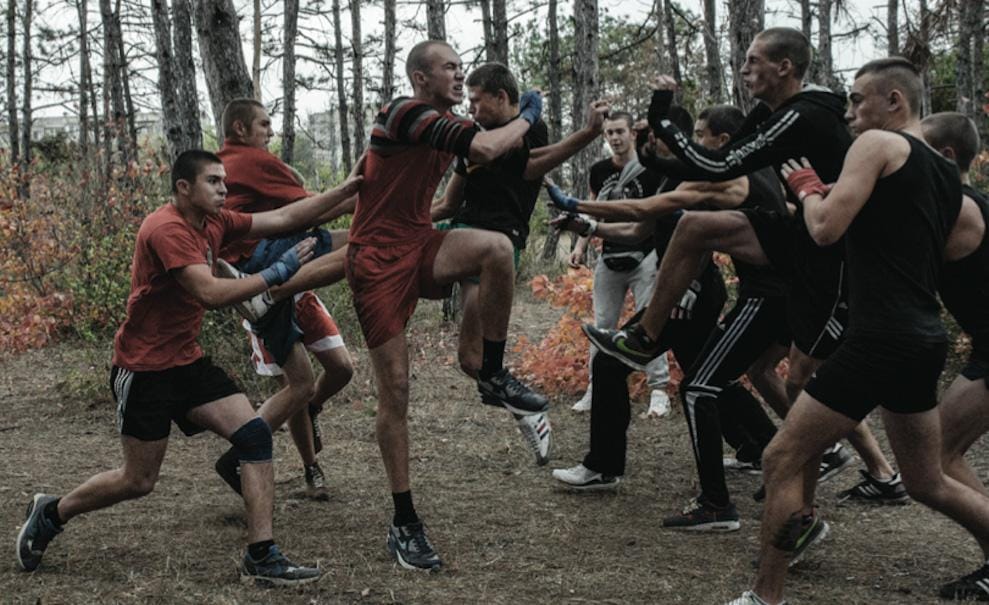
But surely that can't be enough of an explanation. Phrases like "toxic masculinity" aren't helpful since there are plenty of toxic women. Maybe men are raging against their loss of entitlement, their loss of power in a rigid society, rather than displaying "masculinity." It's well reported that domestic abuse offenses in the U.K. rise sharply on match days. But, things have pretty much always been this way. Violence occurred whether the men were serfs in medieval times, factory workers in industrial times, or members of street gangs or criminal gangs or right-wing ultras today, and the violence is not confined to working class people or to men.
It's true that working class men have enjoyed participating in rough (and violent) fighting games over the centuries - whenever there wasn't a war on - and these fighting games seem to have delivered rewards that conventional spectator sports cannot. Where everyone gets involved in mass participation games, where there is brawling, gambling and very few rules and no referees, and a lot of amateurs get hurt, this is fundamentally different from watching professional gladiators kill each other, jousting, boxing, bullfighting, horse racing, cockfighting, even hunting and football because, in a stadium setting, no matter how exciting things are, the spectators are still on the sidelines.
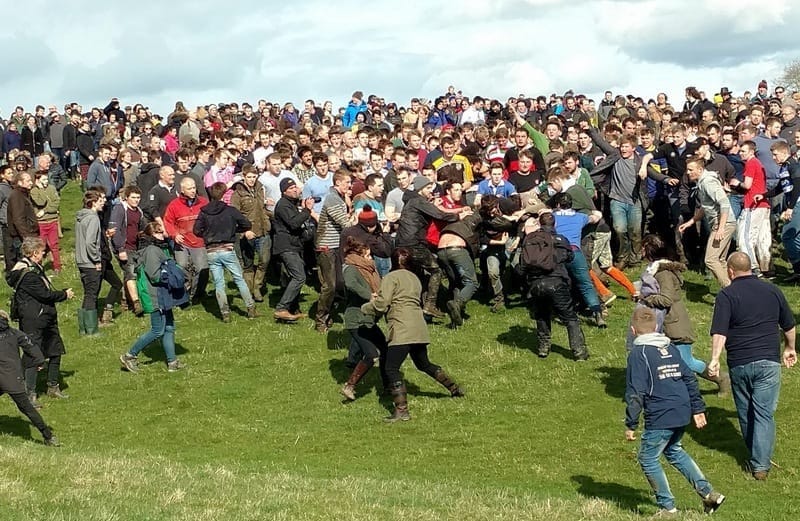
I took a look at a few examples of the fighting games: medieval mob football in Britain and the bridge fights in late Renaissance Venice. I don't really understand this primal urge, and I especially do not understand blood sports - when there is appalling animal cruelty.
In medieval mob football, hundreds of men try to carry or kick an inflated pig’s bladder across town, ideally into the opponent's church. Sometimes entire villages or guilds competed. In England, it was banned periodically, at least in part because shops got smashed up and sometimes people died, although the official line was that these men should be practicing their archery instead. Yeah, sure. Some of these rough games continue to this day, like the Shrovetide football matches, which were once huge in London and nearby boroughs like Kingston upon Thames, and nowadays can be found only in the town of Ashbourne in Derbyshire. Then there's bottle kicking in Leicestershire (above), which is a variant of the same thing, and the more recent Uppies versus Downies, played every Easter in Workington, Cumbria, which dates back to the 19th century.
Oswald, you are a "base football player" - Kent in King Lear
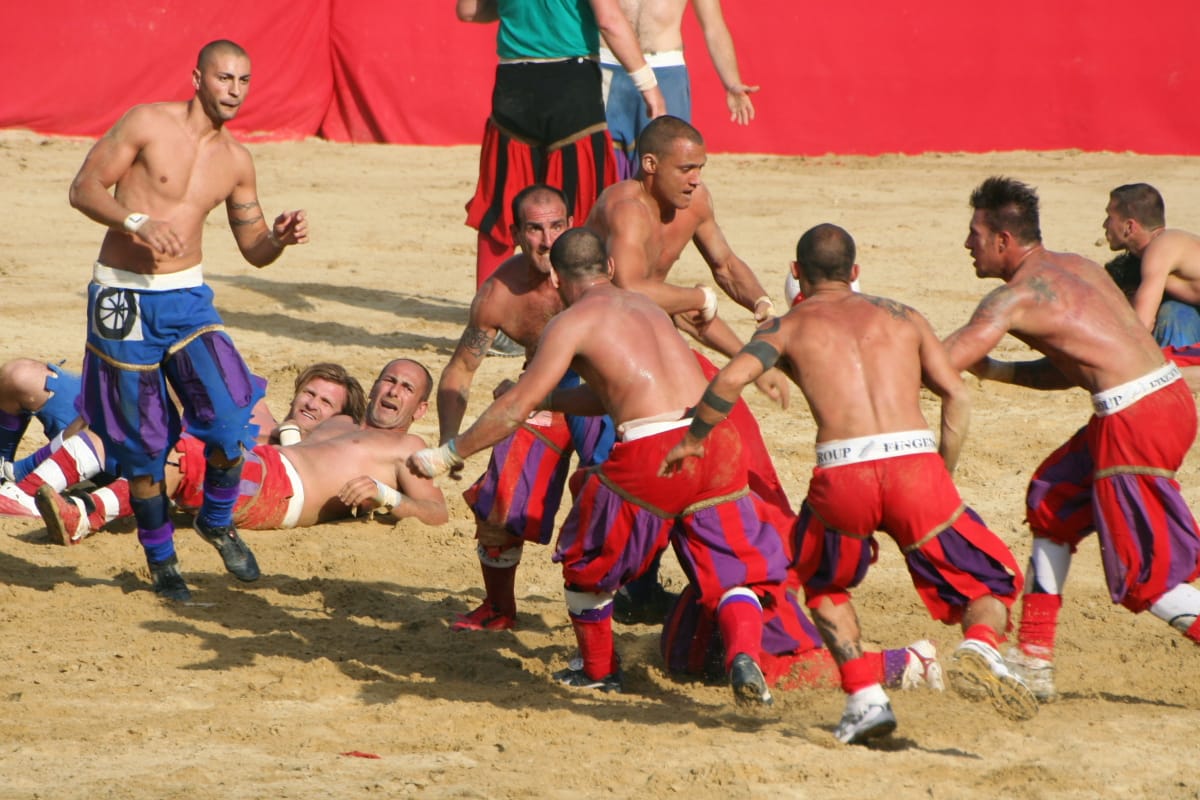
There are similar mob games in Italy and France, for example Calcio storico fiorentino (above) which has been popular in Florence since the 16th century. Like football, it was gradually institutionalized into regular team sports, and it's still around today. Like many of these fighting games, they are held annually on religious holidays and teams are color-coded.
Going back further, Venice from the late 1300's until 1705, saw mobs of working men (fishermen, dockyard workers) with sticks, shields and helmets (all of these were eventually banned) who would fight for possession of a bridge, battagliole sui ponti ("little battles on the bridges") like the famous one shown below, Ponte dei Pugni. Yep, they fought over this bridge. There were similar battles in Pisa.
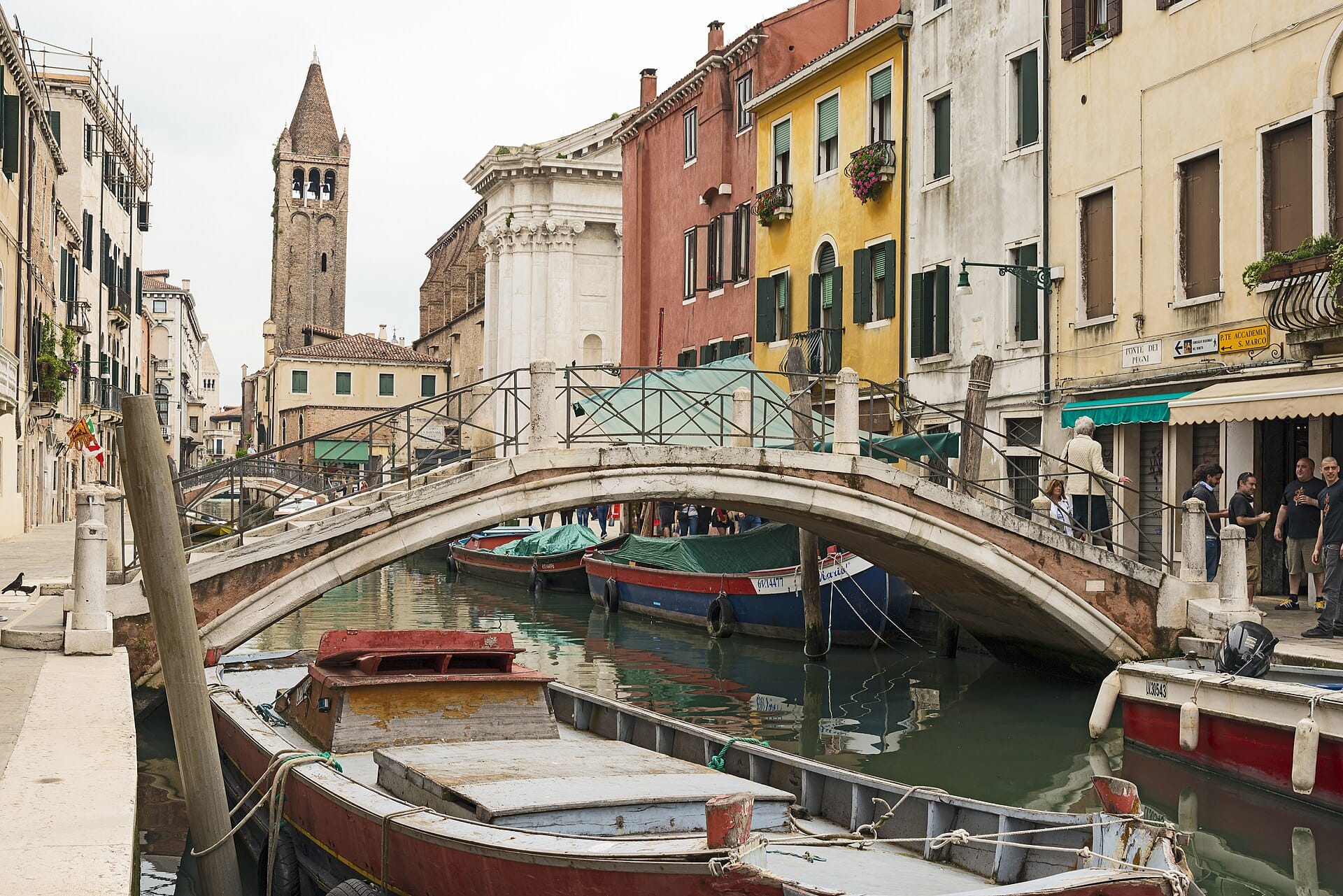
It reminded me of generations of working class navvies, dockers and others who worked on canals and ports, the railroads, and other heavy manual work from the 18th century until well into the early 20th, where street fighting and boxing (and drinking) were entertainment, a way of life, and rules were respected. Similarly today, many are into violent first person shooting and war video games (I prefer solo RPGs myself).
If I had to choose an explanation for why explosive violence occurs after football matches, I lean in favor of the carnival one. Most humans seem to be inherently cautious and conservative about change during their ordinary daily lives. But, just like with the carnivals of the past, periodically throwing off the weight of one's life can be liberating and life-changing. Maybe things will be different this time! The rich and powerful have good reason to worry about this as inequality explodes.
Violence usually occurs when it's expected. The opportunists take advantage and bait the police and the police respond because there is a likelihood of rioting and damaged property, and many of them enjoy it. It's a vicious circle that plays into right-wing anti-immigrant propaganda, but it is often necessary sometimes to shake things up, to take the trash out. Healthy societies legitimize carnival moments as Madrid did in 2026 in all their main urban squares, by having lots of family friendly places to celebrate in, and a code of what is acceptable. Marseilles did not do this in 2018, and was unable to break the cycle of expectations.