Were there female versions of Casanova?
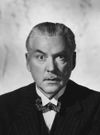
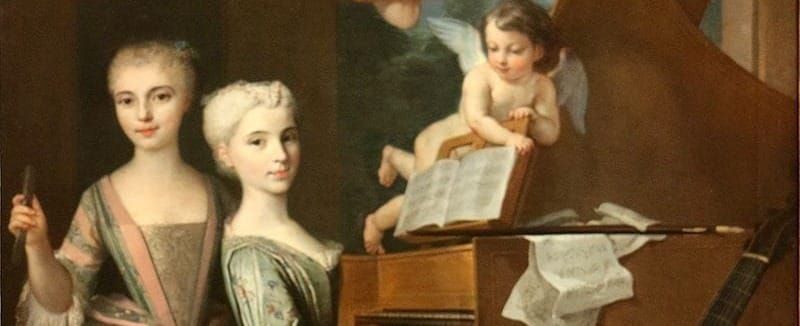
In 2025, a woman writer in the Independent (UK) declared "There is no female equivalent of Casanova" (.). That is true to the degree that no two lives are the same, and Casanova was a rather unusual character who led a very complex life. But, I think the writer is implying that no women have succeeded with the liberated, itinerant, intellectual and celebrity lifestyle that Casanova enjoyed, and she attributes this to misogynistic "sexual shame" and "slut-shaming."
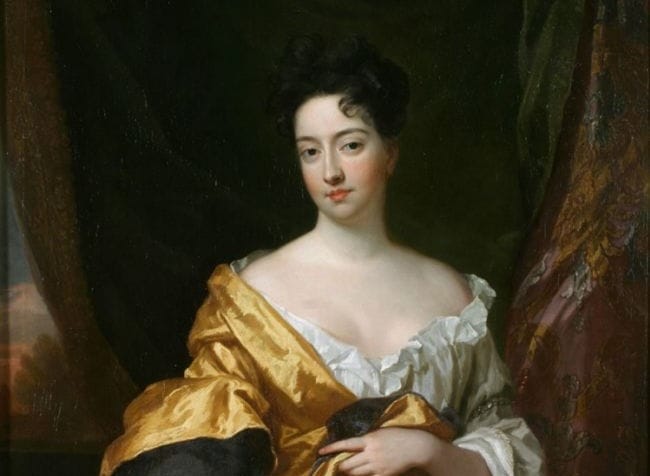
That just doesn't seem right. For one thing, there are many women over the past 100 years who have lived that lifestyle (c.f. here and here). For another, Henriette who appears in Casanova's memoirs (possibly that's her shown above), seems like Casanova's equal.
Below are three women from the previous century (the reign of Louis XIV in France and Charles II in England), who seemingly contradict the writer's argument.
First, Mademoiselle de Maupin, whose given name was Julie d'Aubigny, born in Paris sometime around 1673. When young, her father arranged for her to get an education and to become an expert fencer. By the age of 14, she was mistress to one nobleman and, later that year, was married to another. In the next few years she began dressing in men's clothes (which she did throughout her life), killed several men in illegal duels, engaged in her first lesbian relationship (including breaking into a convent in Avignon to rescue her lover and placing the corpse of a recently deceased nun in their bed and then setting the room on fire).
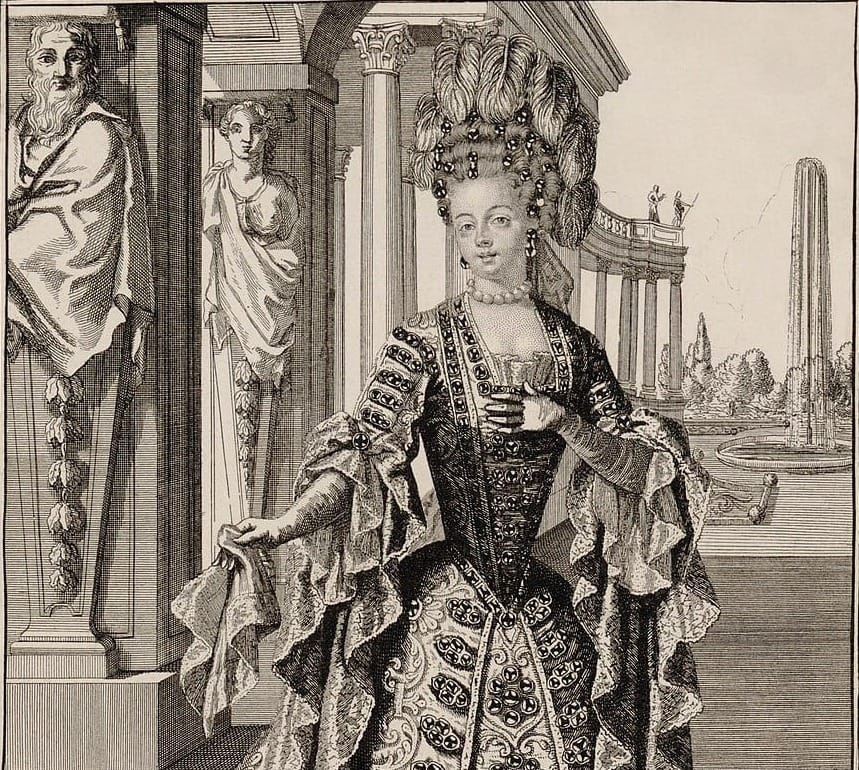
Later in life, she achieved fame as a singer at the Marseille and Paris Operas, where her good looks, musical talent and notoriety as a bisexual woman made her a celebrity. Many roles were written specifically for her and her career reached its peak between 1698 and 1705, while the dramas in her personal life continued unabated. Her opera career ended in 1705 when her then-lover, the celebrated beauty Madame la Marquise de Florensac, died from a fever. This appears to have depressed Maupin, leading her to retire from the opera and in some accounts she entered a convent. It's all a bit mysterious, but she was dead two years later, in 1707. Both women were only in their mid-30's. It's true that Casanova lived to a ripe old age.
If we were to regard Casanova primarily as a sexual predator and con man (I don't share this view), then there are some interesting female equivalents - if we focus on business, alchemy and magic. One of them is Catherine Monvoisin, a Frenchwoman better known as La Voisin. Her main claim to fame is as a fortune teller, abortion provider and dealer in poisons and aphrodisiacs to the rich and famous (notably in the notorious "Affair of the Poisons").
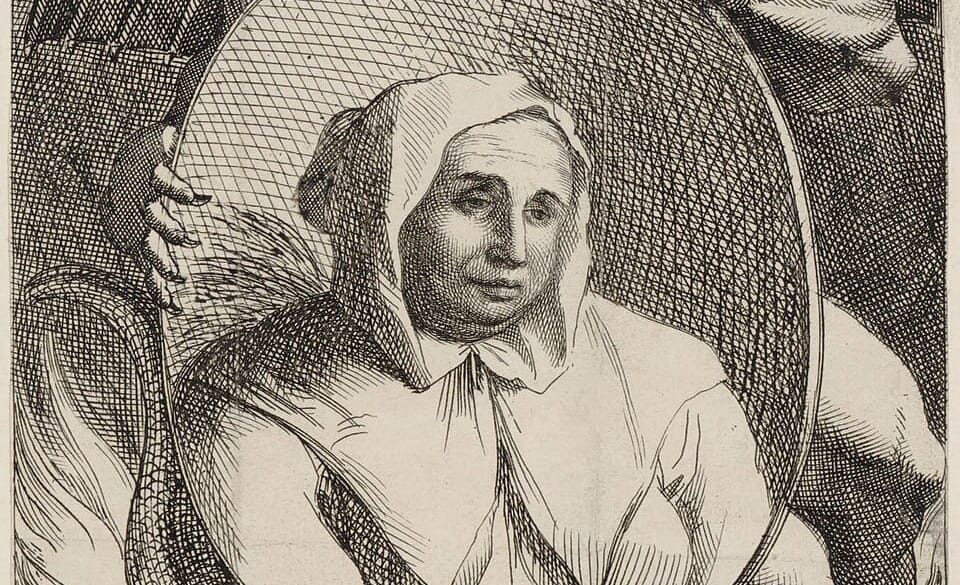
She ran her extensive business activities out of a mansion in Villeneuve-sur-Gravois, now Rue Beauregard, in the 2nd arrondissement of Paris, where the most influential client was Madame de Montespan, the mistress of the King, who may have paid her to murder the King (she failed). Over the years, Voisin had to support a family of six, including her husband and her mother, and she continued to take lovers. Eventually her luck ran out: she was accused of arranging black masses and witchcraft and she was burned at the stake in 1680. She was only 40. I think the case could be made that she was a victim of misogyny, but crime was the primary reason for her execution.
Lastly, there was the Italian-born Hortense Mancini, a niece of Cardinal Mazarin, the chief minister of France. She was married off at 14 to one of the richest men in Europe, but it was a disaster (not her fault). Four children later, she ran away to Savoy where she wrote her memoirs (very unusual at the time). Eventually, she ran out of money and, in 1675, she traveled to England dressed as a man. She enjoyed the cross-dressing, the drinking, riding, shooting, swimming and, before long, voilà, she was King Charles II's mistress and having multiple affairs with other men and women, notably Anne Lennard, Countess of Sussex. Their most celebrated stunt was a pretend sword fight in nightgowns in St. James' Park. With her affairs so publicly known, Charles broke off his attentions, and Mancini occupied the rest of her time hosting a salon which, in the years that followed, became famous for introducing champagne and a host of new intellectual ideas into England. She may have drunk herself to death or committed suicide, in 1699. She was 53.
None of this necessarily proves the Independent writer was wrong, but it would be a "shame" if we overlooked the achievements, both good and bad, of some of the extraordinary women in Europe during the 17th and 18th centuries who lived their lives the way they wanted to.