The hexagrams of the 'I-Ching' and American visionaries
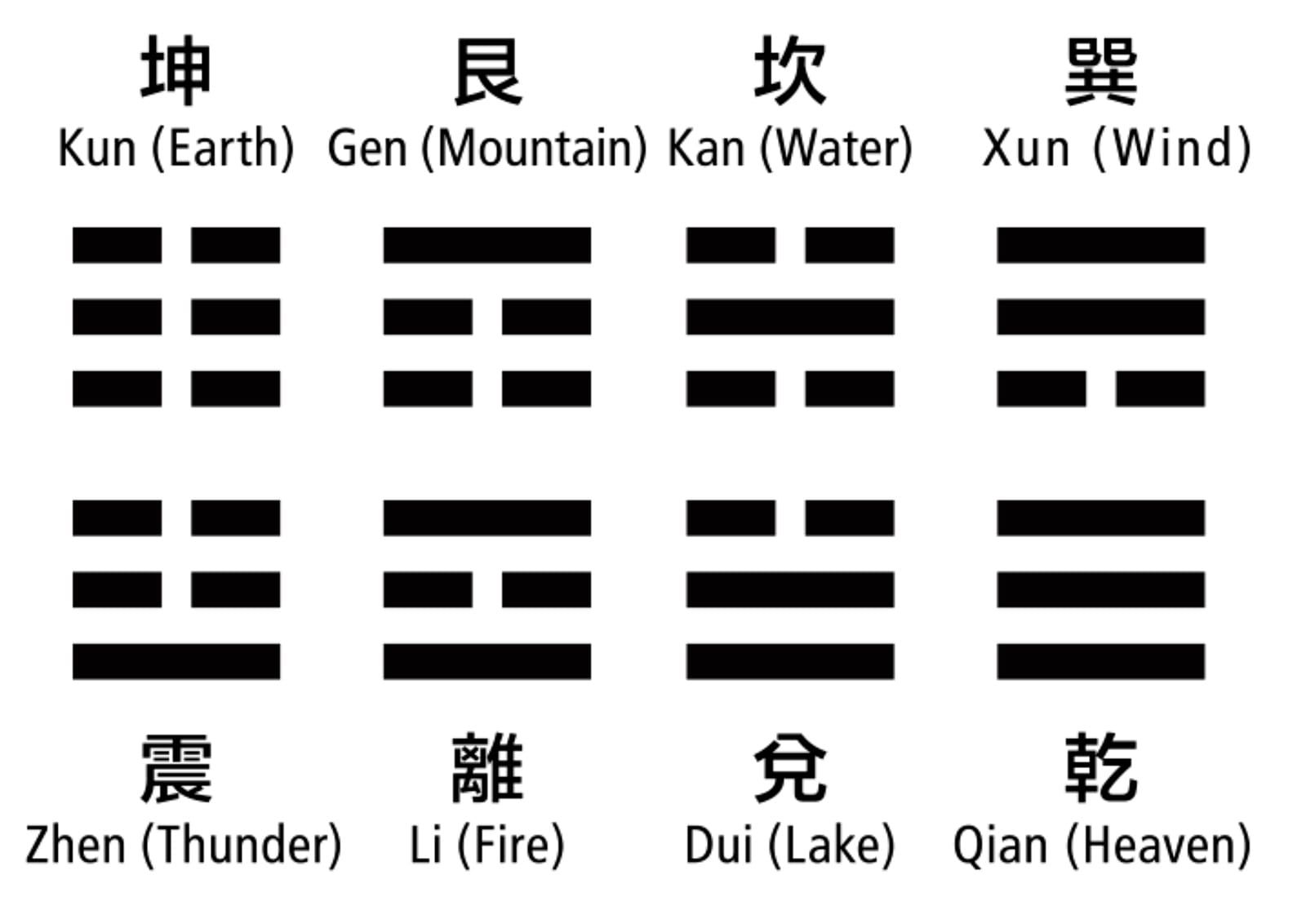
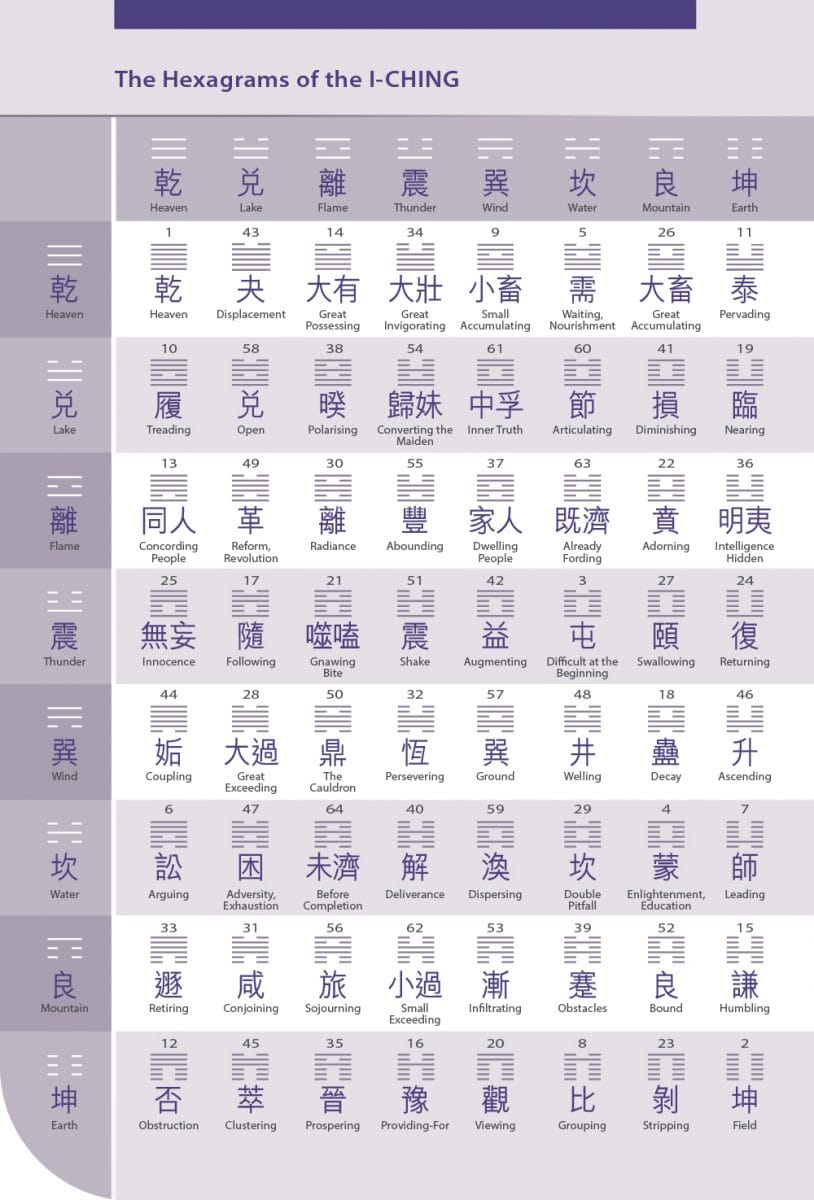
The I-Ching hexagrams (6-line figures made up of two trigrams) and their matching Chinese characters are catnip to anyone interested in storytelling and the art of juxtaposition (more here).
The first somewhat reliable English translation of the I-Ching was by the Scottish missionary James Legge in 1882, in which he used the term "hexagram" to describe the text's 6-line figures. Legge was in China for the London Missionary Society from 1839. Later in life, after serving in other countries, he would become the first Professor of Chinese at Oxford University. He was a man of his time but he was deeply impressed with China, which often put him offside with contemporary colonialists, missionaries and academics.
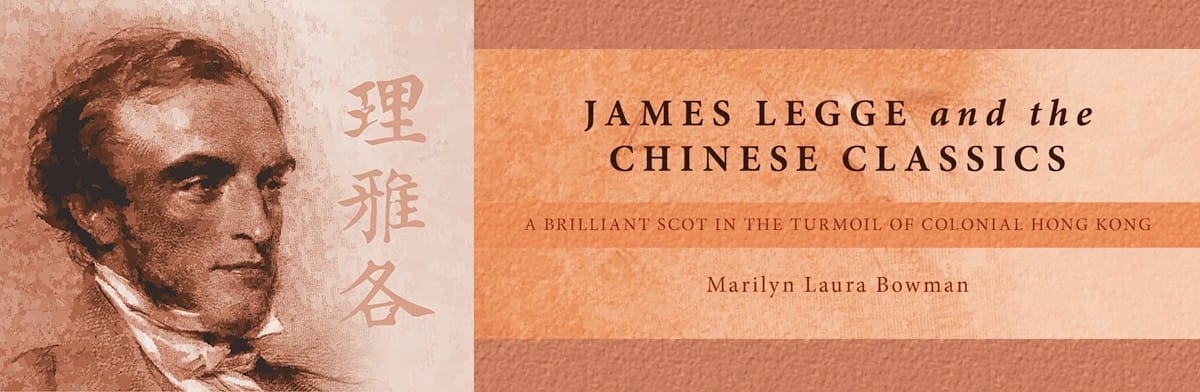
Can such forms of storytelling like the I-Ching hexagrams cross cultures? Of course. What about translations? They automatically fall into a historical context defined in this case by Orientalism, that is European imperialism, colonialism and Protestantism, notably in the massive series Sacred Books of the East - 50 volumes published by Oxford University Press between 1879 and 1910 and edited by Friedrich Max Müller - covering Hinduism, Buddhism, Zoroastrianism, Confucianism, Taoism, Jainism, and Islam. Legge's translations were part of this.
A chapter of mine The Sorceror's Apprentice weaves four visionary 19th century Americans into a Chinese thread, because why not? By 1882, Joseph Smith and Abraham Lincoln and Henry David Thoreau were long dead, Ralph Waldo Emerson died that year (1882), and Herman Melville died in 1891. None of these men ever saw Legge's translation of the I-Ching or in any other language (the I-Ching only became popular in the West after a 1950 translation). Legge's translation of the Tao Te Ching was in 1891. But, which of these American visionaries was most closely aligned with the ideas of "the East" and specifically Taoism, even if they never read them or only heard about them?
Some commentators make Abraham Lincoln into a quasi-Confucian, for example Sun Yat-sen, the founder of modern China, was influenced by the Gettysburg Address and inspired by Lincoln. George Saunders, whose Lincoln in the Bardo won the Booker Prize in 2017, turns Lincoln into a quasi-Tibetan Buddhist. But neither was in any way Taoist. In the LDS church, there are those that see common cause between the Mormon cosmology of Joseph Smith and Buddhism and Taoism, for example scholars at BYU's Religious Studies Center, and while I can see this, I also think the links are tenuous because of the LDS belief in divine hierarchies and salvation.
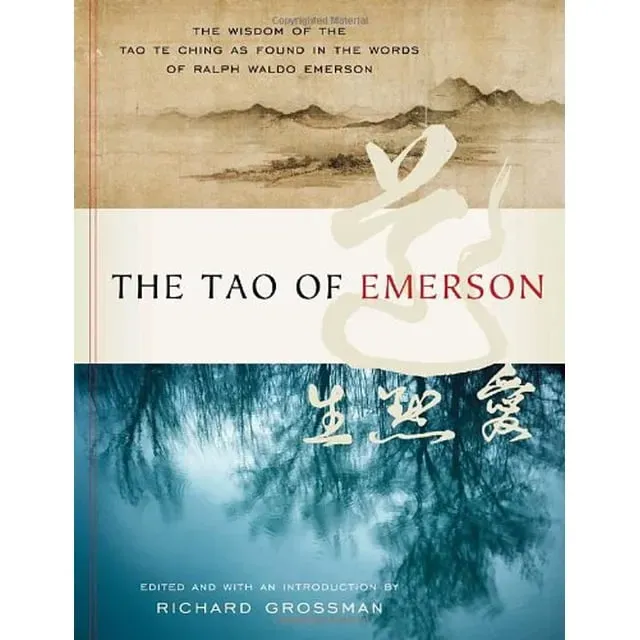
Writer Richard Grossman argues in favor of Ralph Waldo Emerson, whom he says would have embraced Taoism. Emerson did know Hindu texts like the Bhagavad Gita, and he wrote about and quoted Buddhist and Confucian texts extensively, but I doubt he knew any Taoist texts well. If he was familiar with concepts like Wu wei, then it was from Confucianism. Grossman nonetheless juxtaposes Emerson quotes with Tao Te Ching quotes, implying a synchronicity. Similarly with Henry David Thoreau: he kept a copy of the Bhagavad Gita at his bedside table at Walden Pond and quoted from it often. There's more synchronicity with Thoreau, but I'm not persuaded here either because of the Christian religious overtones. For Thoreau it was his desire "to find God in nature"; for Emerson it was "Every person has a spark of the divine." A number of Chinese academics find this topic fascinating these days, comparing American Transcendentalism with Chinese philosophical ideas. Again, why not?
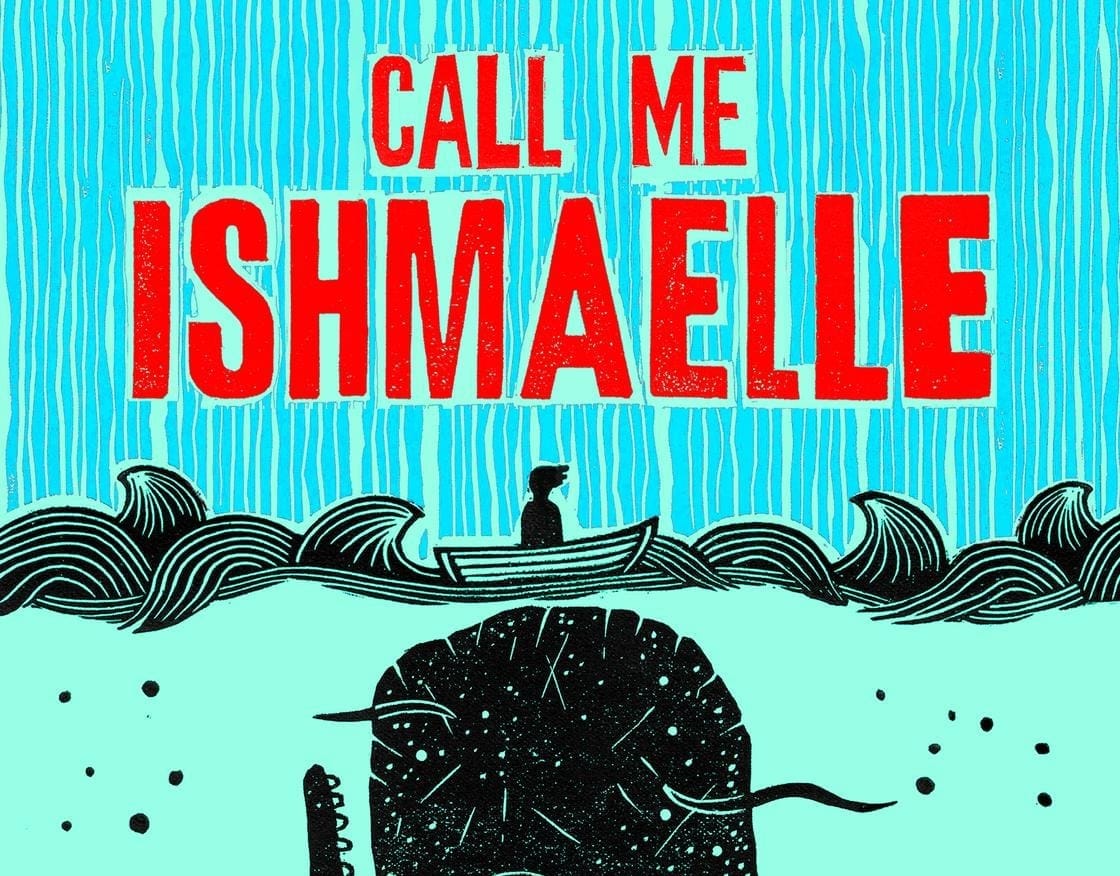
I think Herman Melville is the best choice overall, because he saw ambiguity in everything - especially in Moby Dick - and the Tao Te Ching and the I-Ching are nothing if not ambiguous. That's the reason Xiaolu Guo, a Chinese-born British writer and filmmaker wrote her novel of 2025 Call Me Ishmaelle, a re-telling of Moby Dick that incorporates hexagrams from the I-Ching (and has a female protagonist). It didn't hold my attention but the idea is terrific.